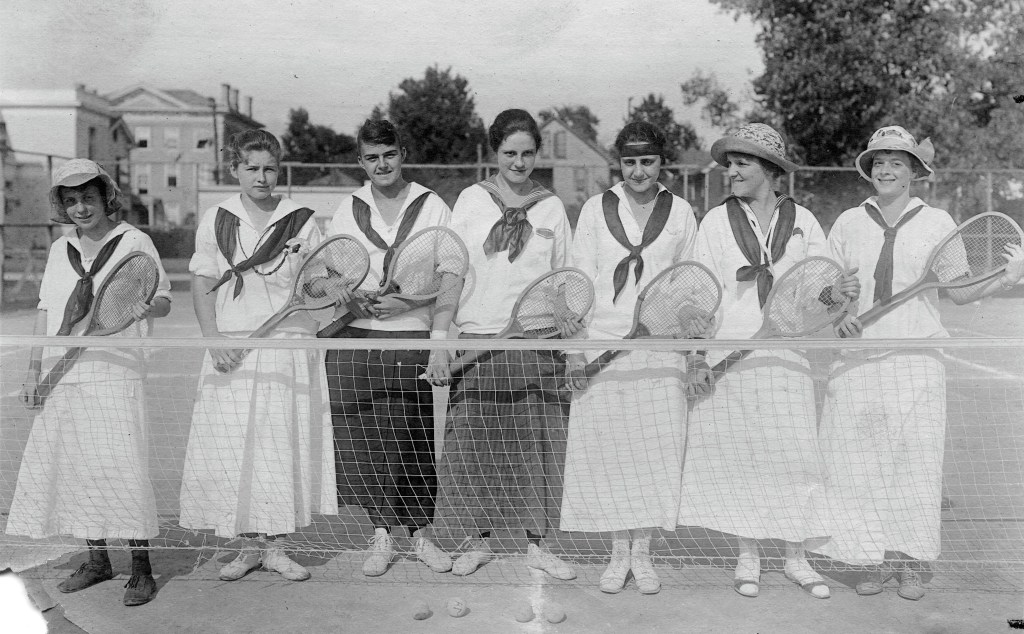
The issue of the role of women as anything other than a wife/mother certainly didn’t start in Victorian times, but it may have reached its absurdity then.
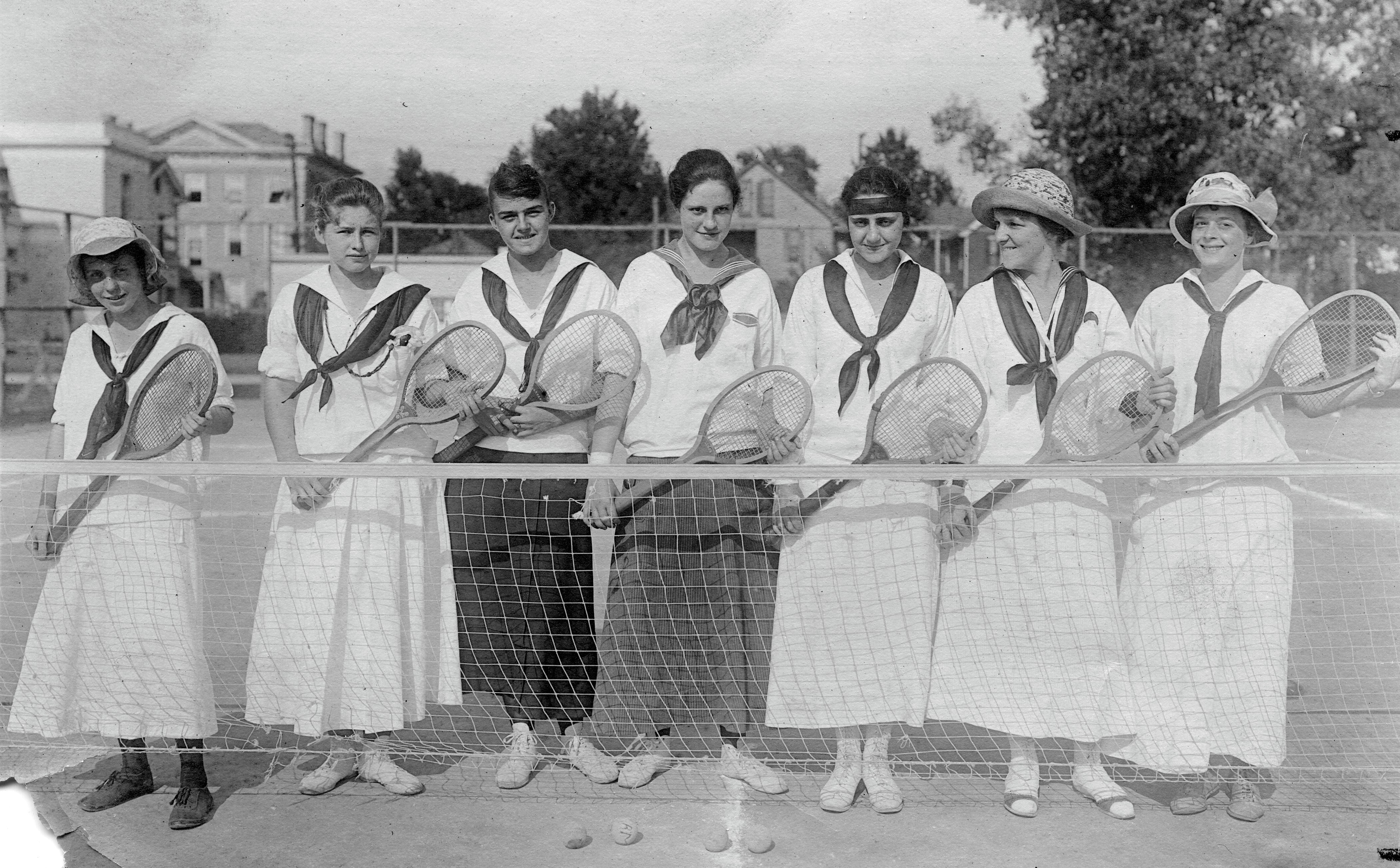
Women first competed in the Olympics in 1900, on a very limited basis: there were 997 Olympians that year, with 22 of those women, “competing in tennis, sailing, croquet, equestrian and golf, though only golf and tennis had women-only events.” By 1972 in Rio de Janeiro, there were 90 women on the U.S. Olympic team of 428. By the 2024 Paris games, the representation was virtually equal: “some 28 of the 32 sports on the programme at Paris 2024 were fully gender equal, including athletics, boxing and cycling for the very first time.”
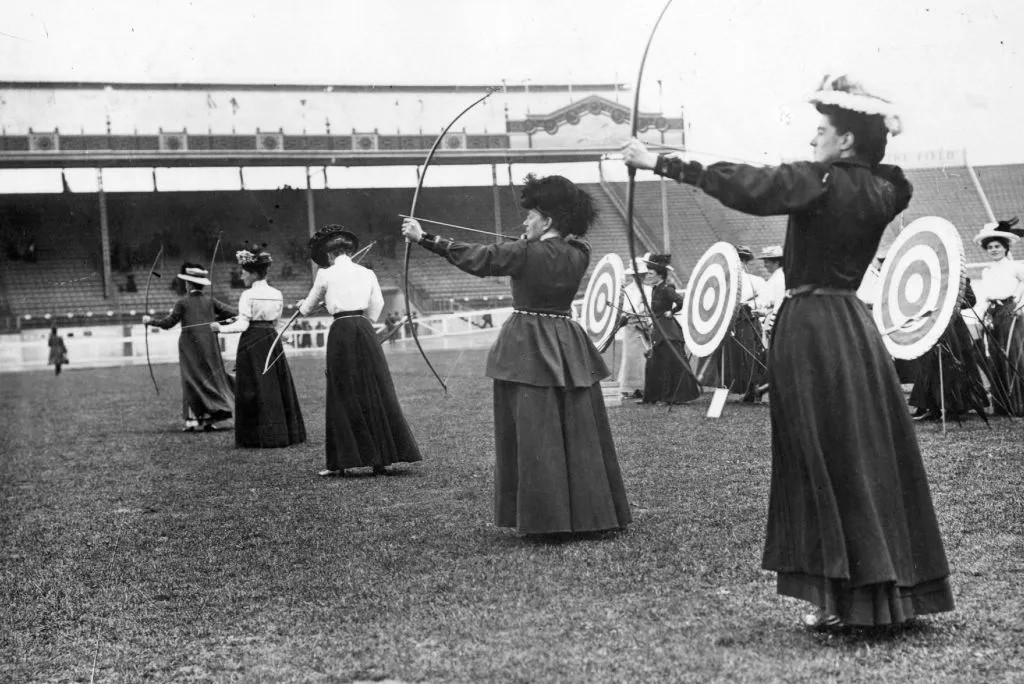
Other ‘firsts’ in women’s sports:
- Oldest women’s professional sports organization is the Ladies Professional Golf Association (LPGA), founded in 1950
- Women’s Tennis Association, founded in 1973
- Women’s National Basketball Association (WNBA), founded 1996
- National Women’s Soccer League, founded in 2013
- National Women’s Hockey League, founded in 2015
In terms of women’s participation in school sports, including those at USI, Title IX of the Education Act of 1972 made all the difference. When it passed, “just 2% of college athletic budgets were accessible to female athletes, and women’s athletic scholarships barely existed. There were less than 30,000 women collegiate athletes in the U.S. … By 1978, Title IX compliance officially became mandatory, and the number of girls in high school sports was six times greater than in 1970. … In 2002-03, the number of American girls playing high school sports had shot to 2.8 million, up from 295,000 before Title IX.” (If you’re not familiar with Title IX, click here for a fuller explanation.)

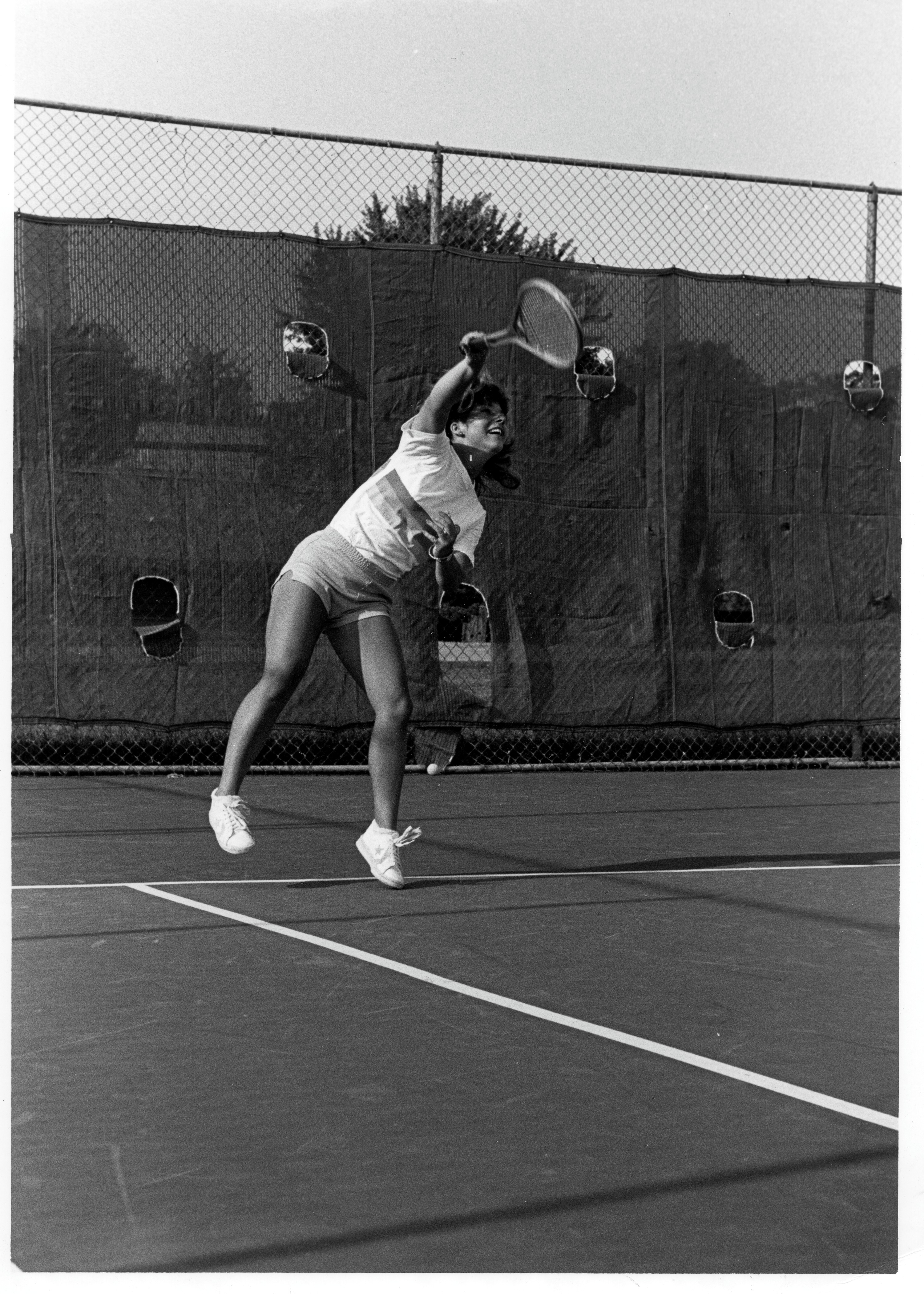
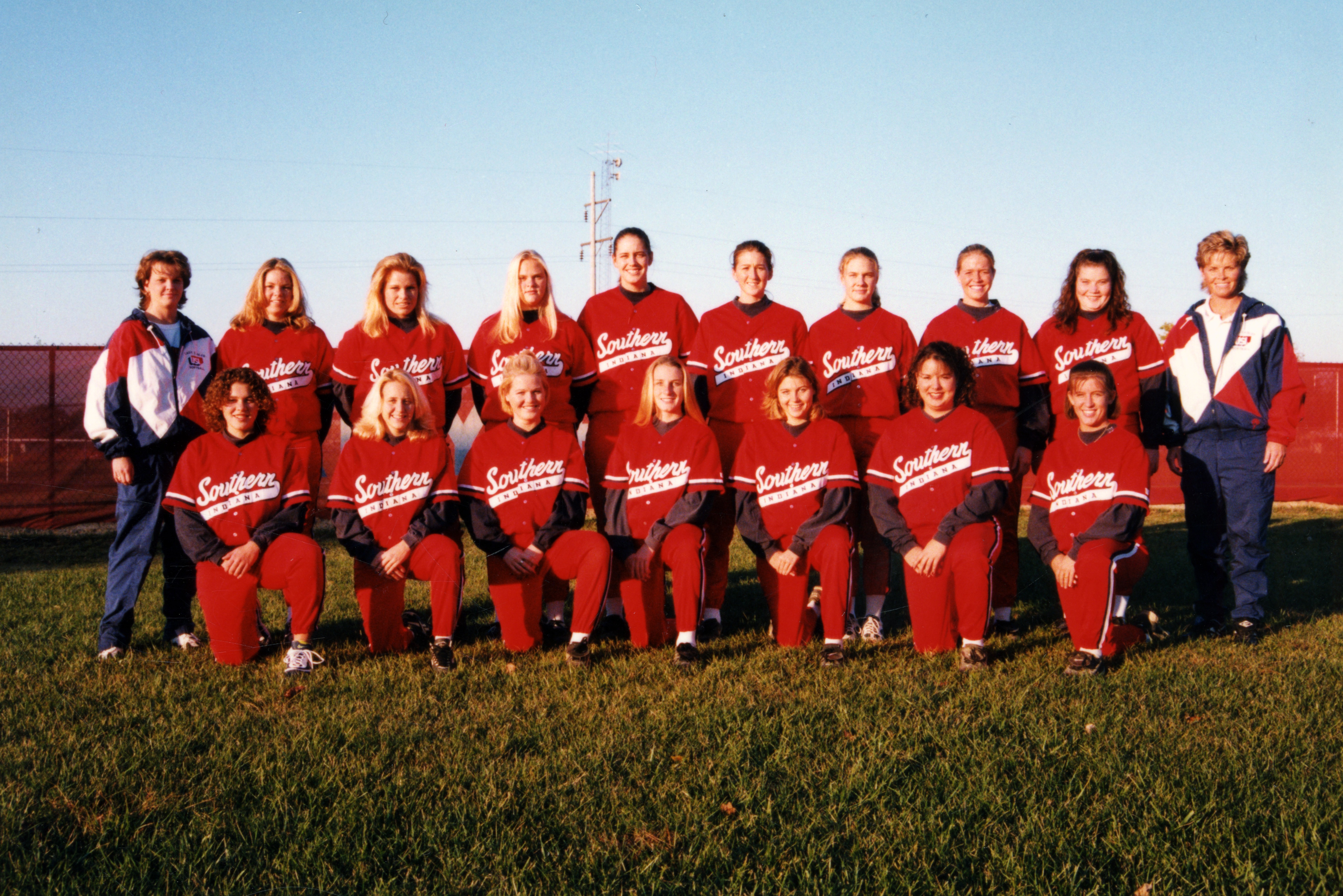
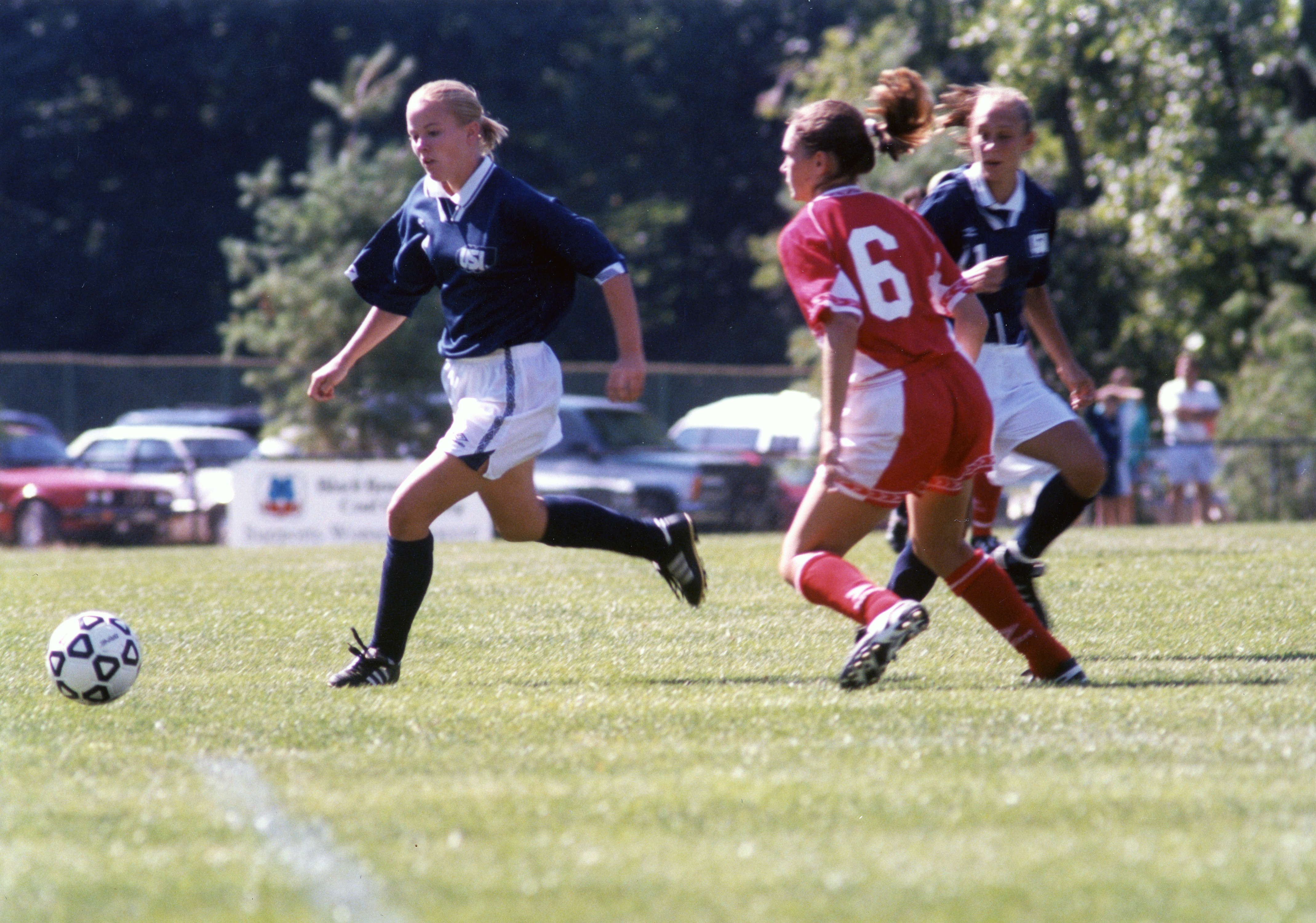
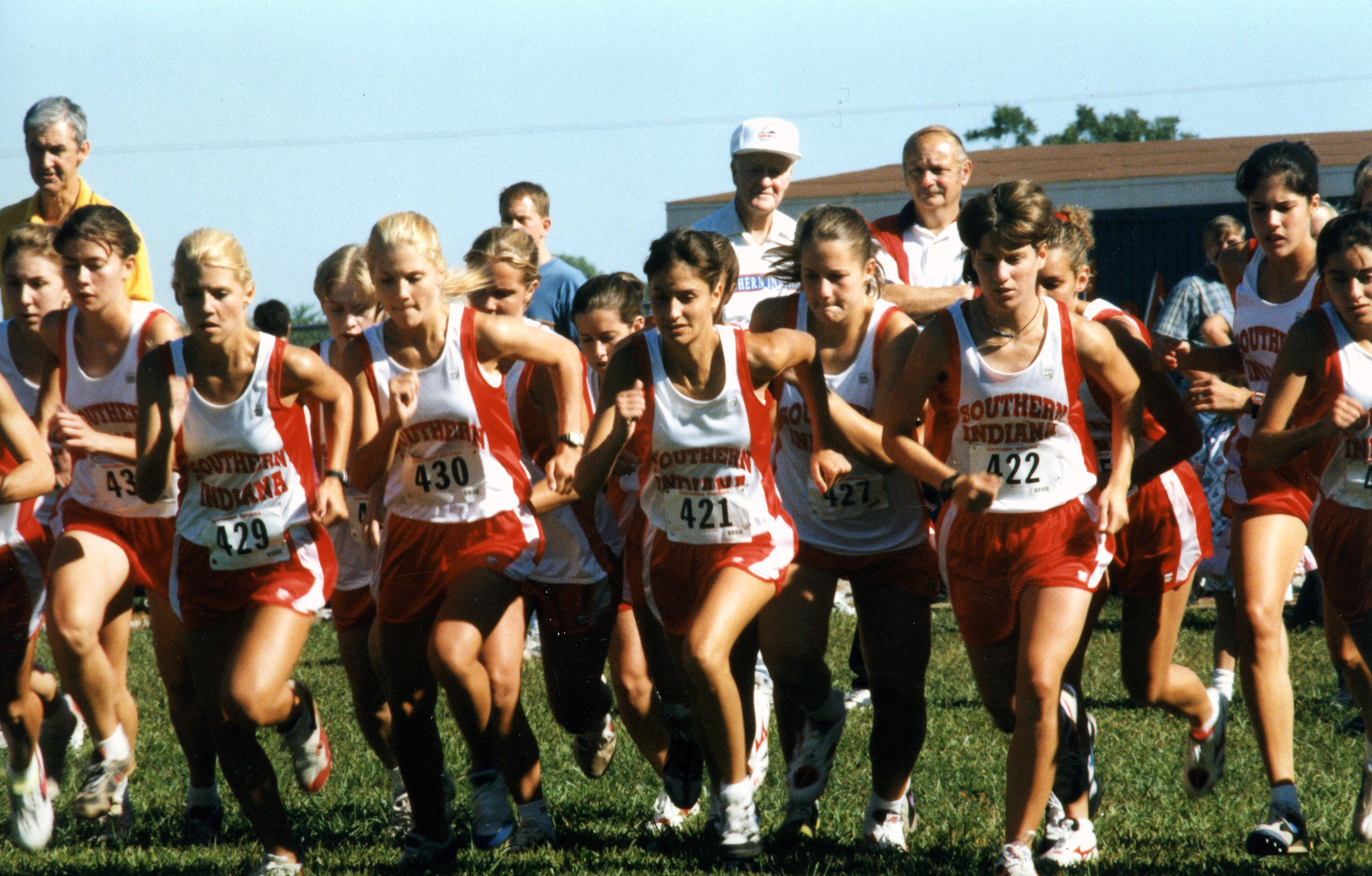
I took a look at the USI Athletics Screaming Eagles homepage and discovered that men participate in 8 sports and women in 9. In common they have baseball/softball, basketball, cross country, golf, soccer, swimming and diving, tennis, and track and field. Women also compete in volleyball. What is different is that in baseball/softball, basketball, track and field, and golf, USI men have been participating longer than USI women. (This was determined by how far back the stats went for each sport.) What’s important is that USI men and women now both compete! Enjoy these photos from UASC historic photograph collections of USI women on the sports field. (Click on the picture to see a larger image.)
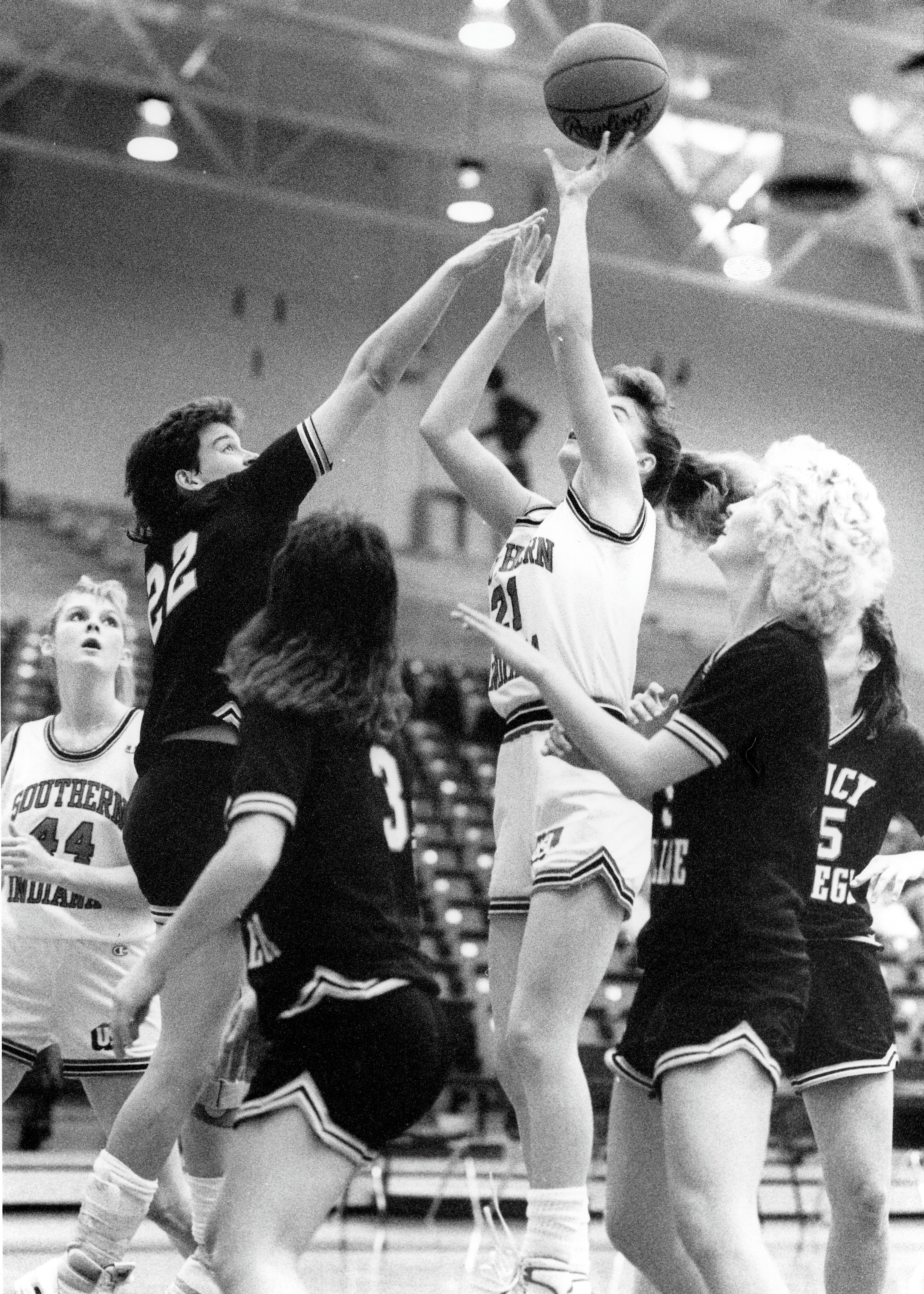

I’ve just skimmed the surface of the topic of women in sports. If you want to know more, take a look at this sampling of sources consulted.
A Brief History of Women in Sports. CSP Global website.
Nguyen, Kevin. History of Gender Inequality in Sports: Definite Guide. Goal *Five website.


 amUSIngArtifacts
Leave a comment