
Welcome to Archives Madness 2026, the friendly contest between area institutions vying for recognition for having the coolest artifact. We’ll start by introducing the institutions and their nominated artifacts, then proceed with 4 weeks of voting (which you will be able to do online on this site) until all but the winner are eliminated. You may notice a similarity between this a certain athletic competition that takes place in March.
Voting for the Championship Round will open on Monday April 6th, link to the poll will be posted here.
Download the 2026 Brackets and play along! DOWNLOAD
Now, let’s meet the competitors and their artifacts.
In the summer of 1972 the Lilly Endowment, Inc. of Indianapolis, Indiana awarded the then Indiana State University Evansville a three-year grant to establish an archival project for the acquisition, preservation and processing of regional material. At the end of the third year the University was to assume responsibility for continuing the growth of the Special Collections. It started with just a few regional history books on Indiana from the library’s own collection. Today, the University Archives and Special Collection has over 850 unique collections, 800 oral history interviews, 6,500 rare and unique books, and 30,000 digital resources.
As the winner of the 2025 Archives Madness contest, UASC earned the right to enter last year’s winner in the 2026 contest. That entry is these letters between Captain William Henry Peckinpaugh, who served with the 49th Regiment Indiana Infantry , Company F, from 1861-1865, and his fiancée, Mary Ann “Mollie” Emmick. Their letters reflect real time reactions to events during the Civil War, including the assassination of President Abraham Lincoln, as well as a deepening of their personal relationship. It was common to include a pressed flower with the letter, as seen in the second letter.


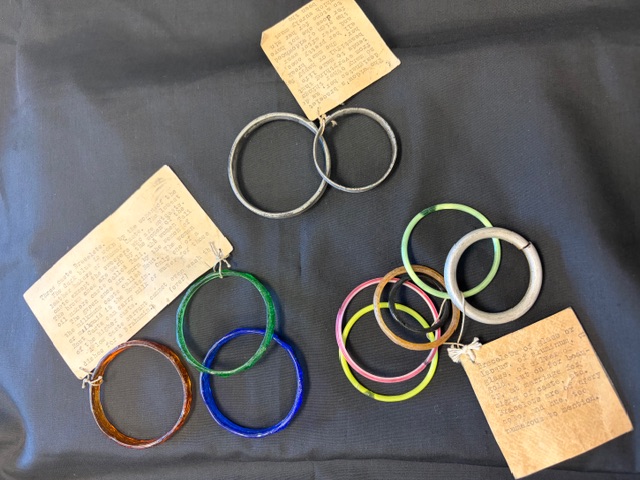
The second item is these caste bracelets from MSS 333, the Zion United Church of Christ (UCC) collection. Zion was the first Evangelical Lutheran Church in Evansville. It opened in 1849 and closed in 2025. The church buildings are being repurposed for a community center and housing. For many years the church had missionaries that served in India, and these bracelets were brought back as a reminder of their trips. Bracelets of glass or lacquer, of aluminum, of silver or gold, were put on for beauty, at marriage for signs of caste. The dark blue was worn by the Chamar, the brown by the Tali, and the green was from the Rout caste. The metal bracelets indicate a widow. She had to break her colorful bracelets and wear the plain metal to show her status as a widow, according to the notes attached to the jewelry.

The John James Audubon State Park Museum is home to one of the largest collections of materials from wildlife artist and naturalist, John James Audubon. There are more than 2,500 items in the collection. The Museum interprets the lives and work of Audubon and his family within a timeline of world events. Three galleries chronicle the Audubon story, including the family’s 1810-1819 residency in Henderson, Kentucky. Over 200 objects are on display, including artifacts from Audubon’s Kentucky years, a complete set of his masterwork, the Birds of America, and many original artworks.
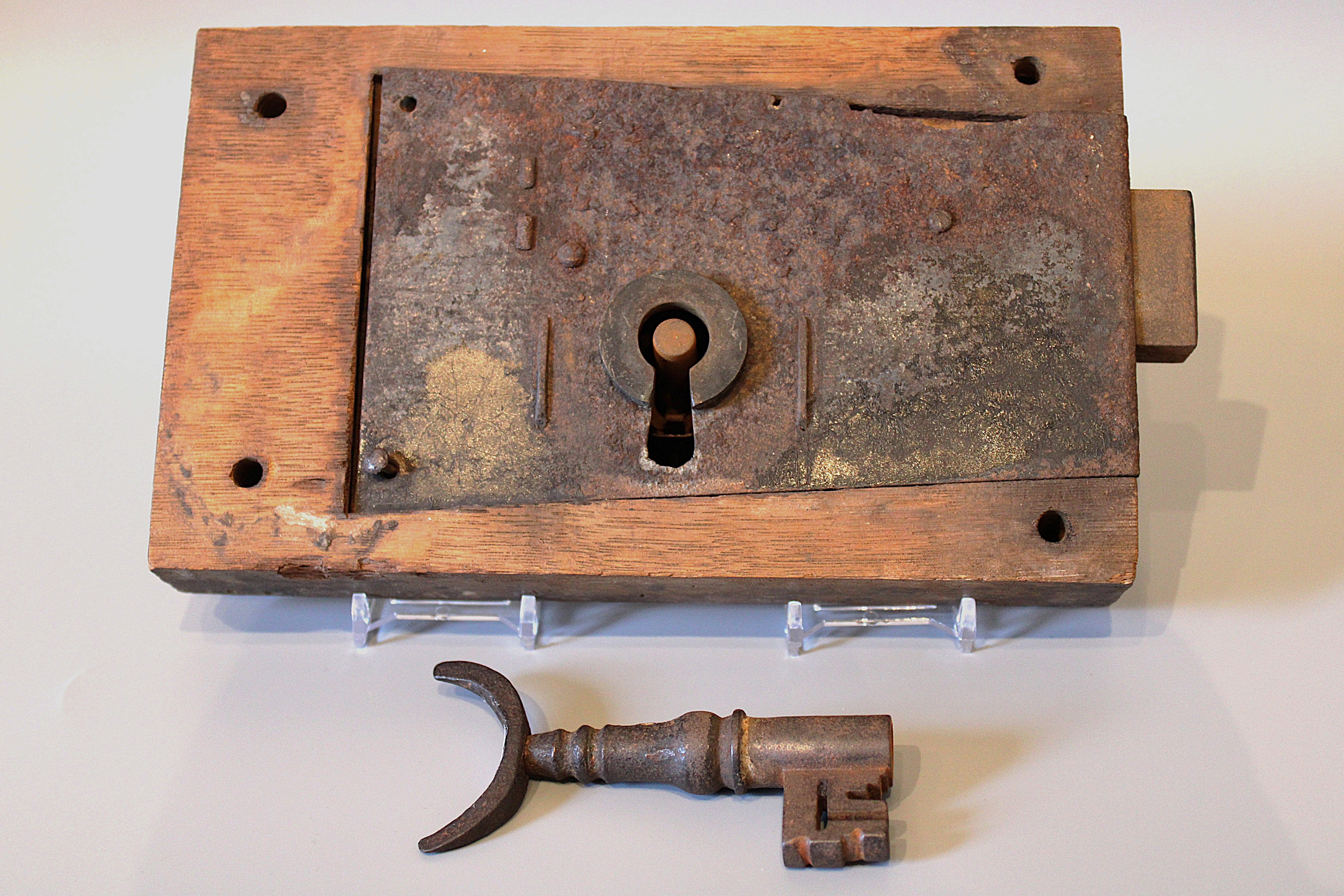
The first item is this wooden rim lock and key from John James Audubon’s saw and grist mill built in 1816 in downtown Henderson. Despite being over 200 years old, the lock and key still work today!
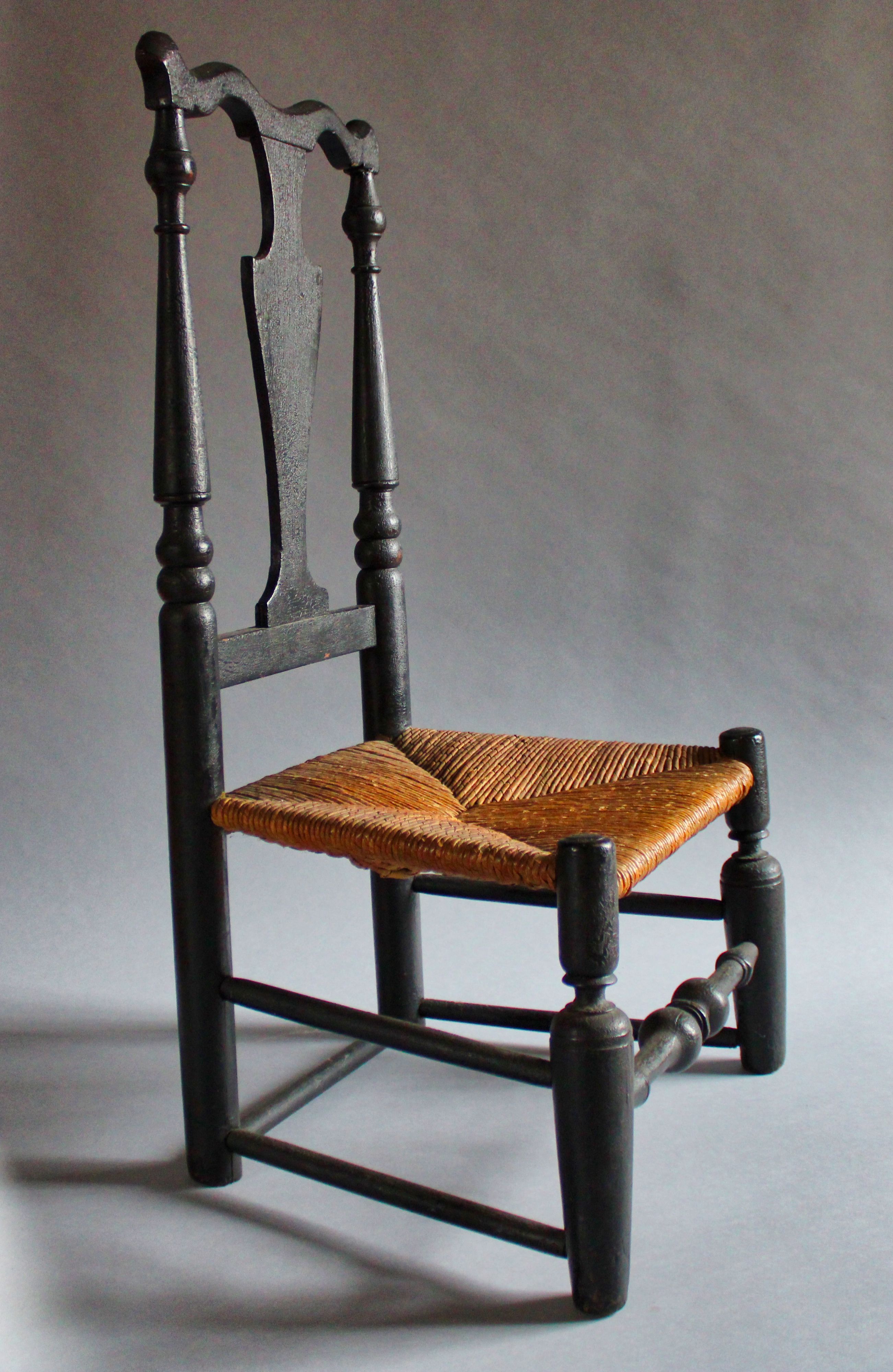
The second item is this chair from Audubon’s home in New York circa 1841-1851. The chair has a rush straw seat and the frame, although painted black, is mahogany. Audubon sat in this chair when he painted.

The Evansville Museum’s mission is to utilize its permanent collection and resources to offer diverse educational experiences for the Tri‑State region. The Museum maintains a permanent collection of more than 30,000 objects, including fine art, decorative arts, historic documents and photographs, and anthropological artifacts.
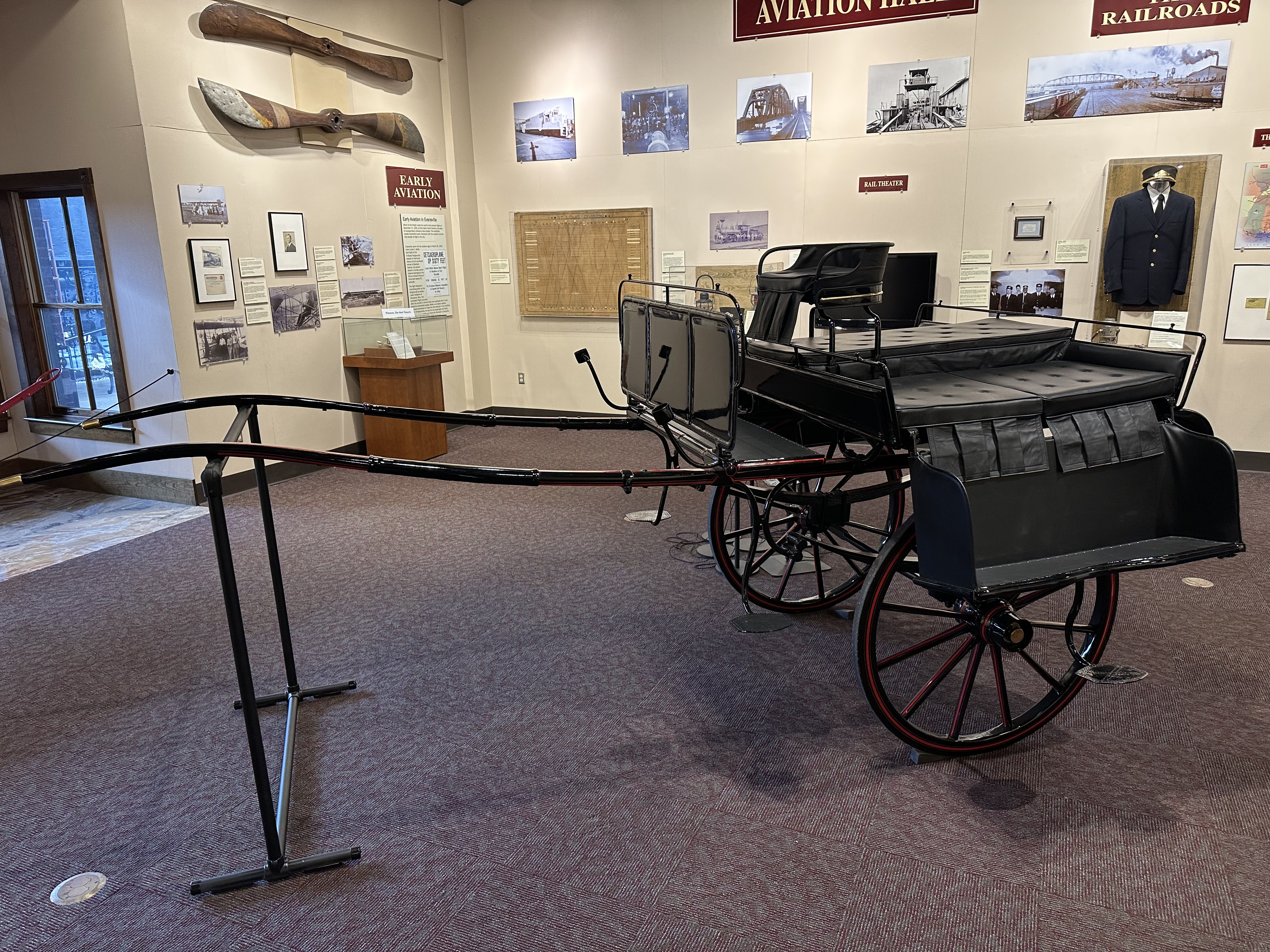
This Irish Jaunting Car, made in Belfast, Ireland, was purchased by Irish immigrant Samual Orr in 1876 as a reminder of the home country for his wife Martha Lowry Orr. Samuel and Martha Orr immigrated to the United States in 1833 and by 1866, he formed Samuel Orr & Company, dealers in iron, steel, tin, and various buggy and wagon parts, in Evansville.
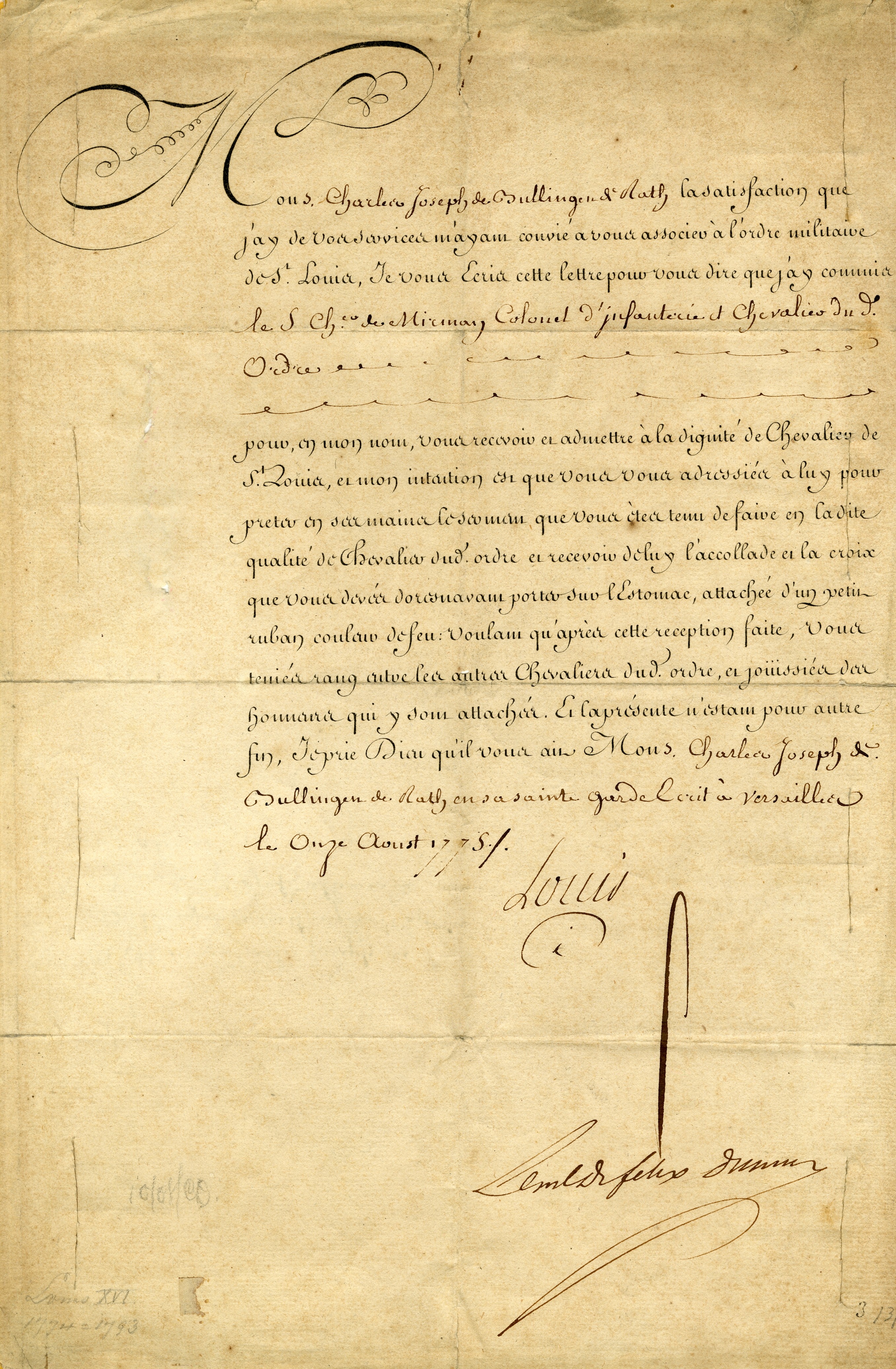
This 1775 letter signed by King Louis XVI of France is a military appointment for Charles Joseph Bullingen de Rath. Louis XVI (Louis Auguste) was born in 1754, married Marie Antoinette in 1770, became king in 1774, and was beheaded during the French Revolution in 1793.
The Evansville Wartime Museum focuses on Evansville’s local industries, home front workers, and military veterans that supported our nation in times of conflict.
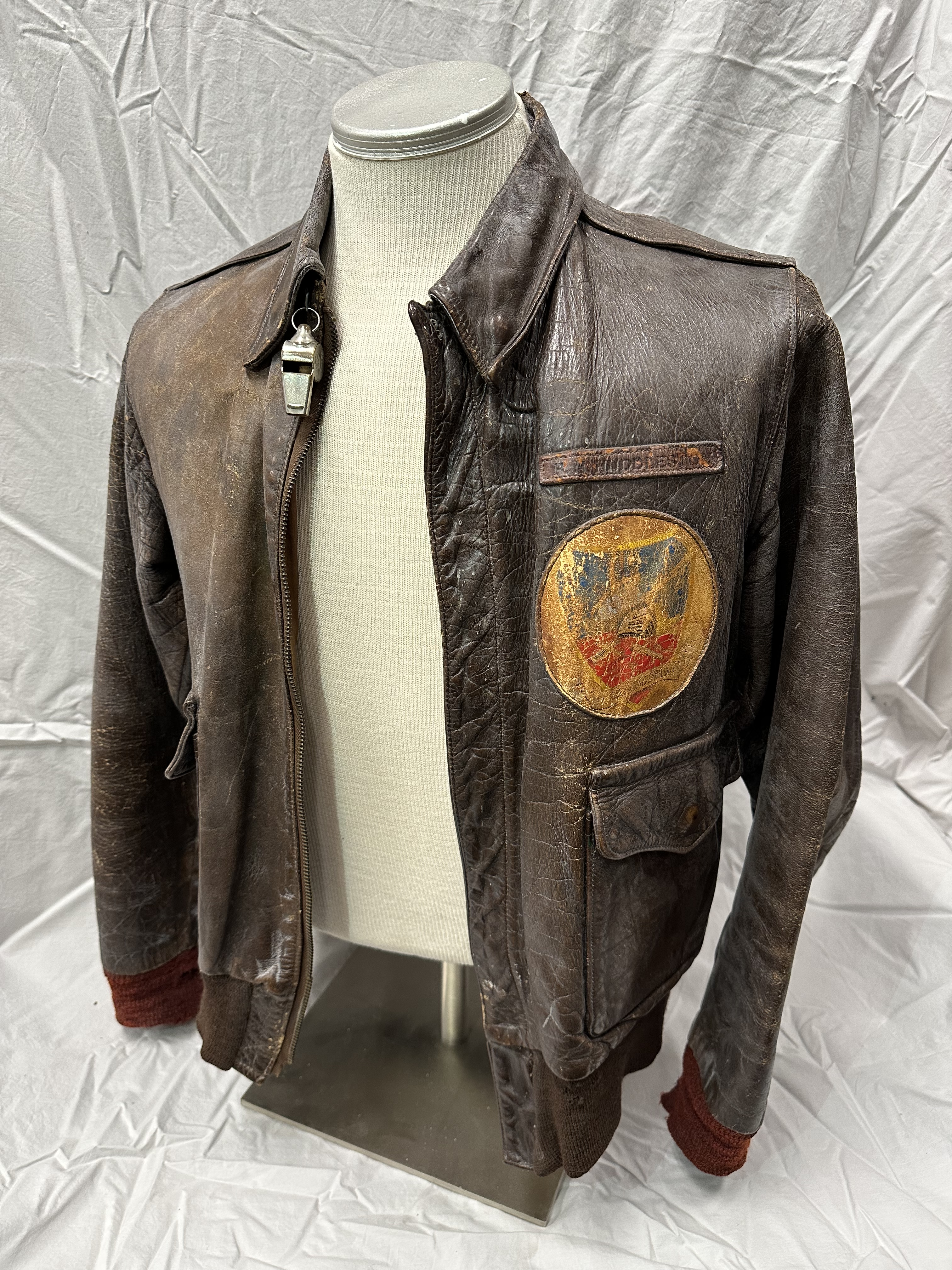
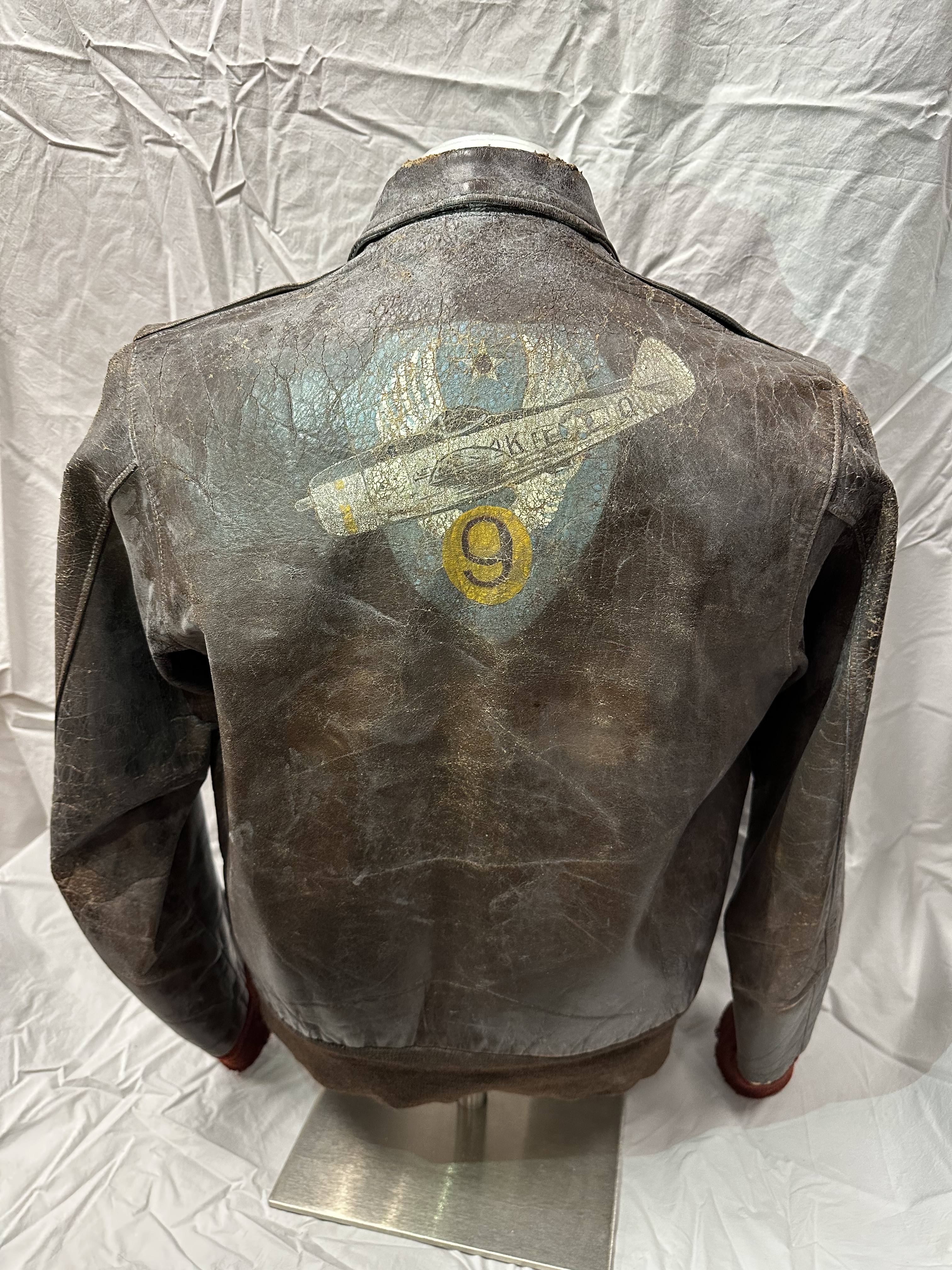
The first item is this leather flight jacket that belonged to P-47 pilot Robert Huddleston, who flew in the European Theatre of Operation. Huddleston lives in North Carolina.
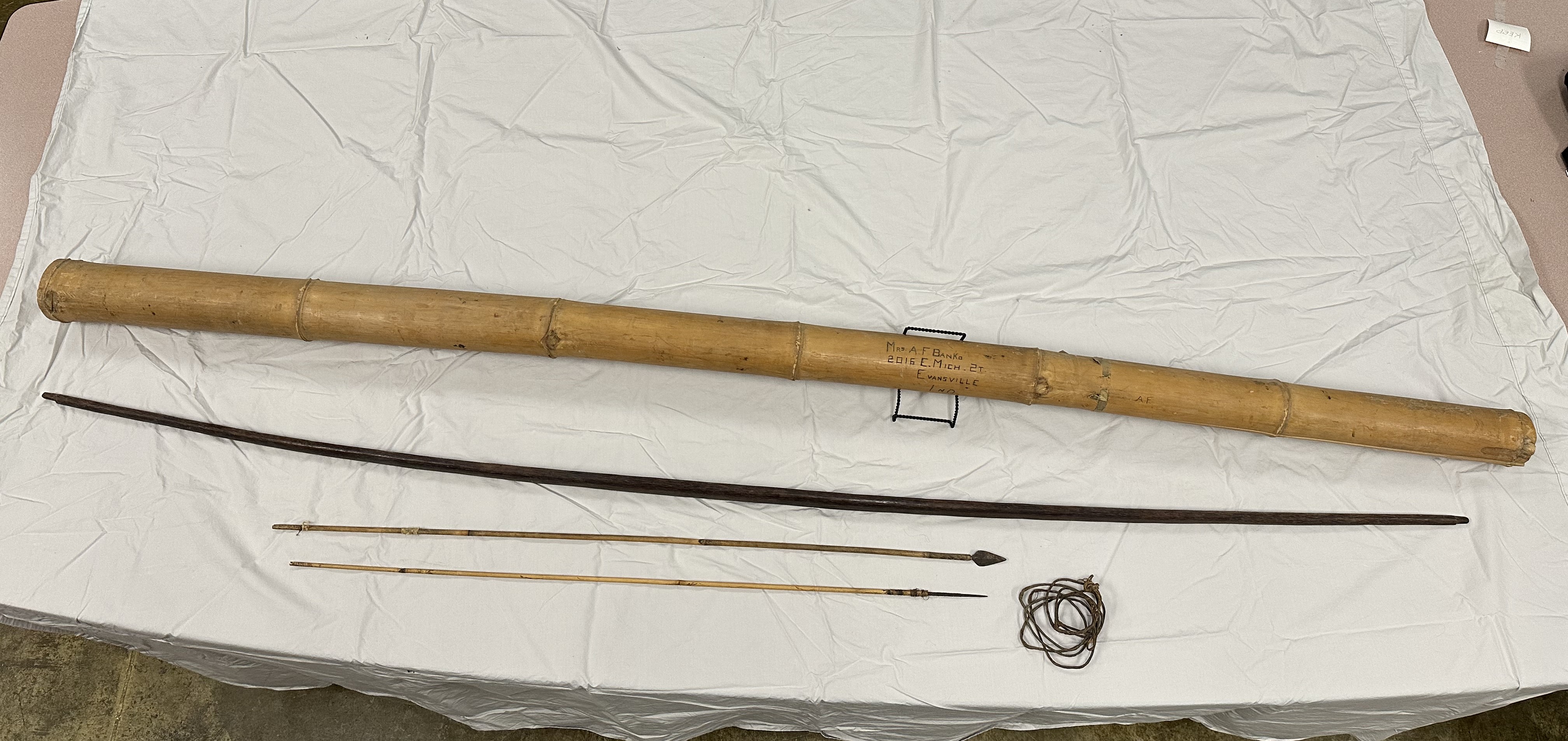
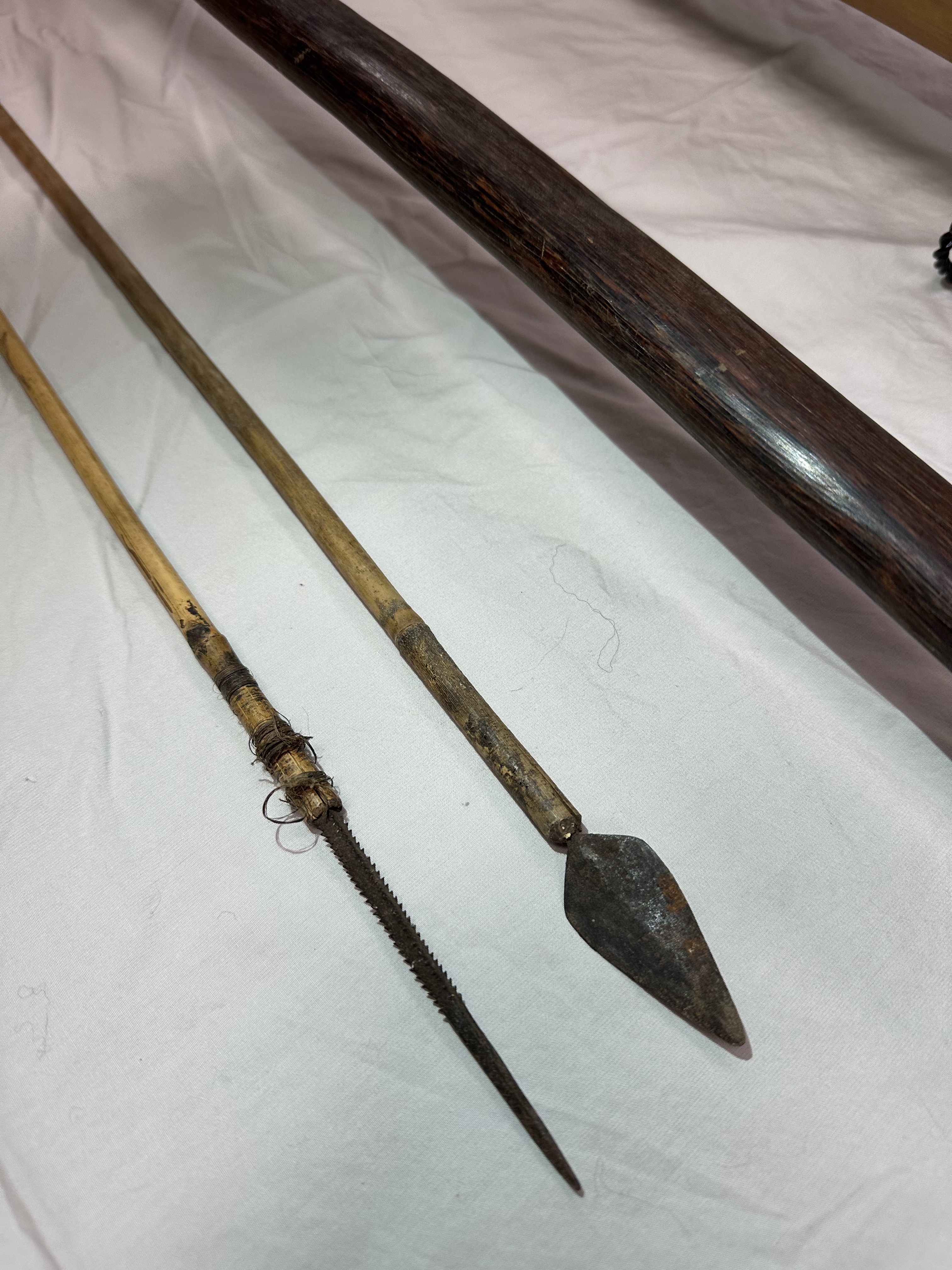
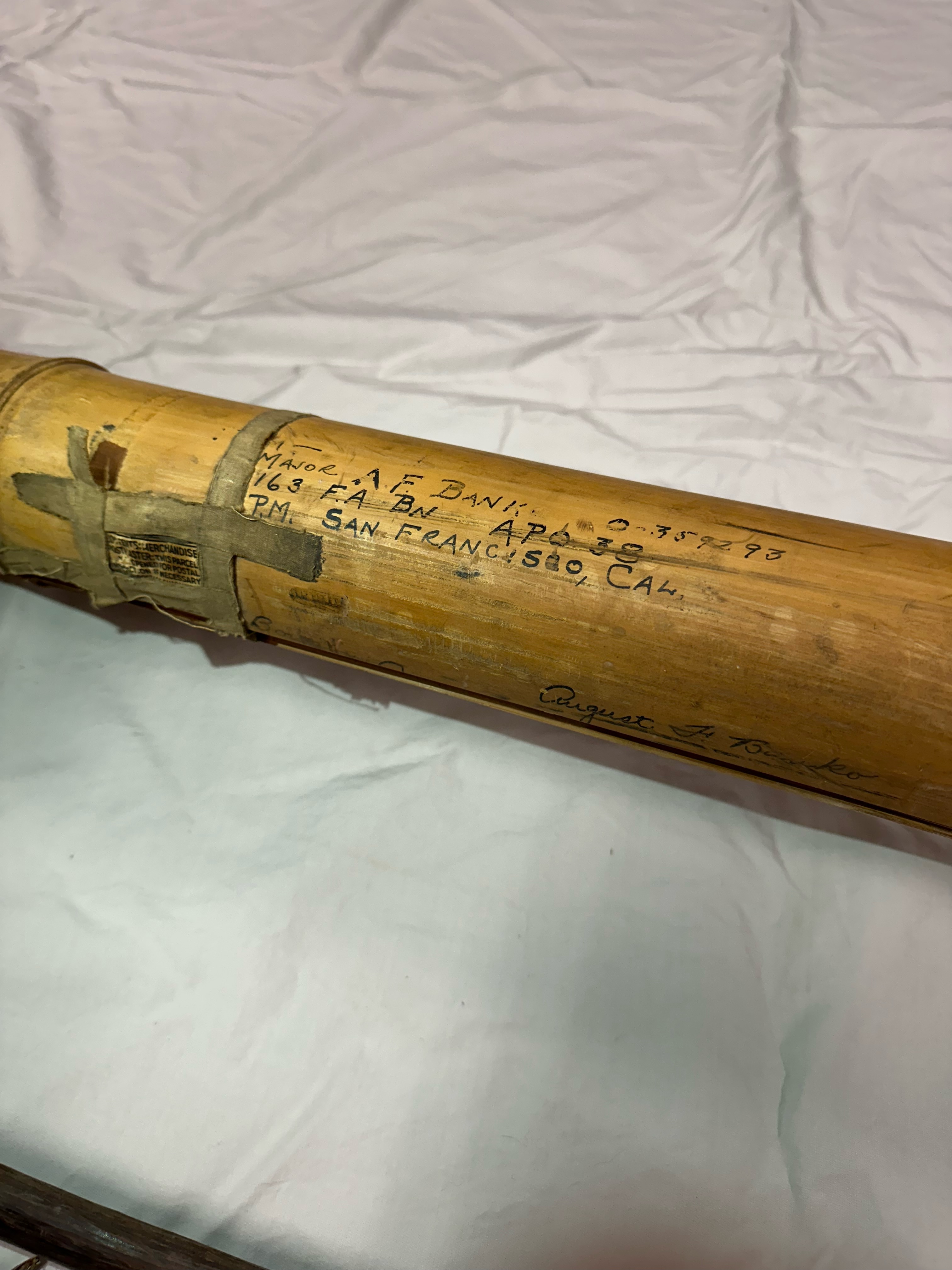
The second item is this bow and arrow handcrafted in the Philippines and sent home in a hollow bamboo shoot.
The USS LST Ship Memorial Inc, along with the USS LST 325, is a living, breathing reminder of the sacrifice, effort and ingenuity of one of the unsung heroes of WWII and those lives who were/are affected by them to this day. It also serves as a pillar of local pride, and as a symbol to inspire and educate future generations through various media and forms.
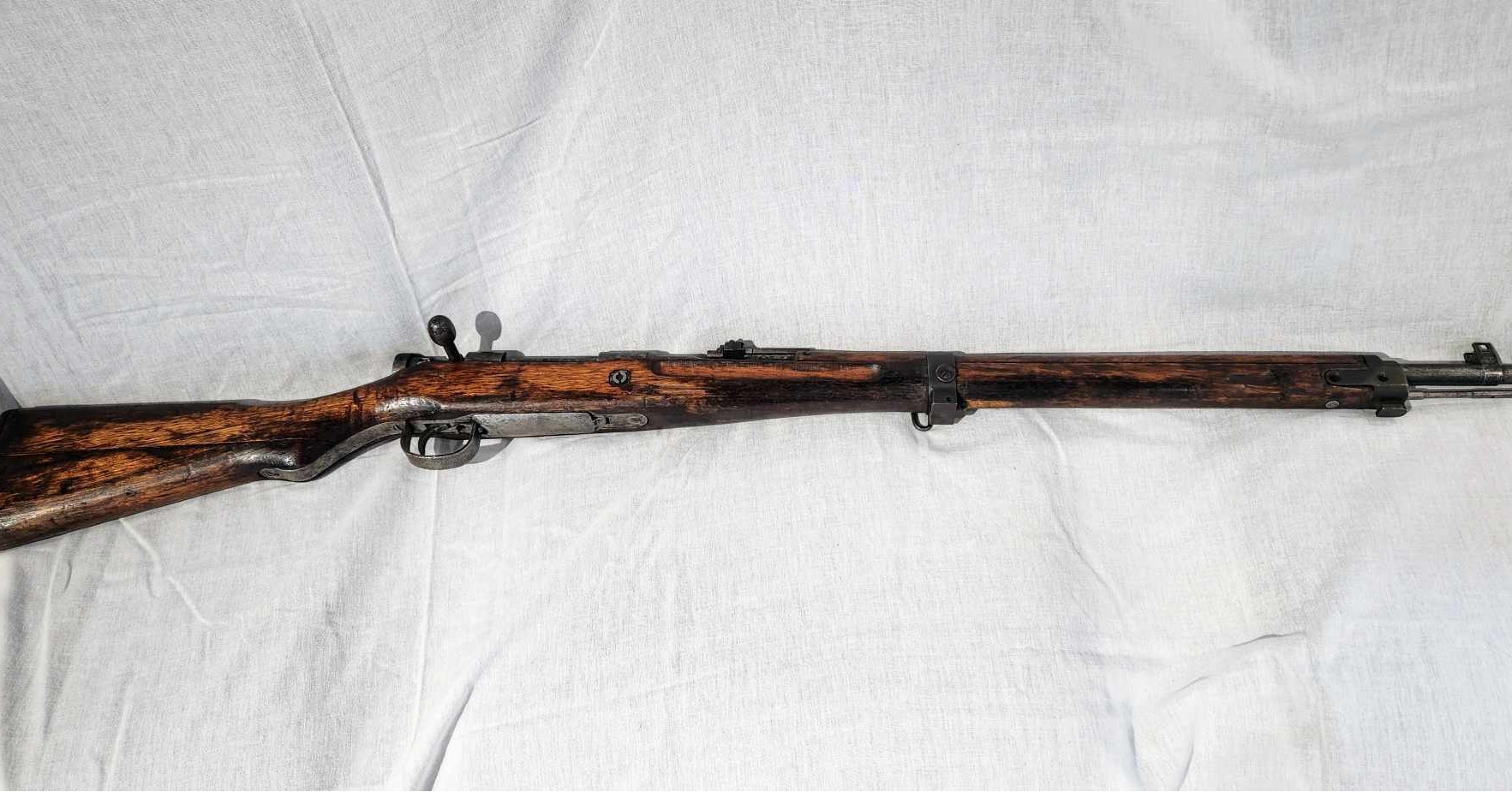
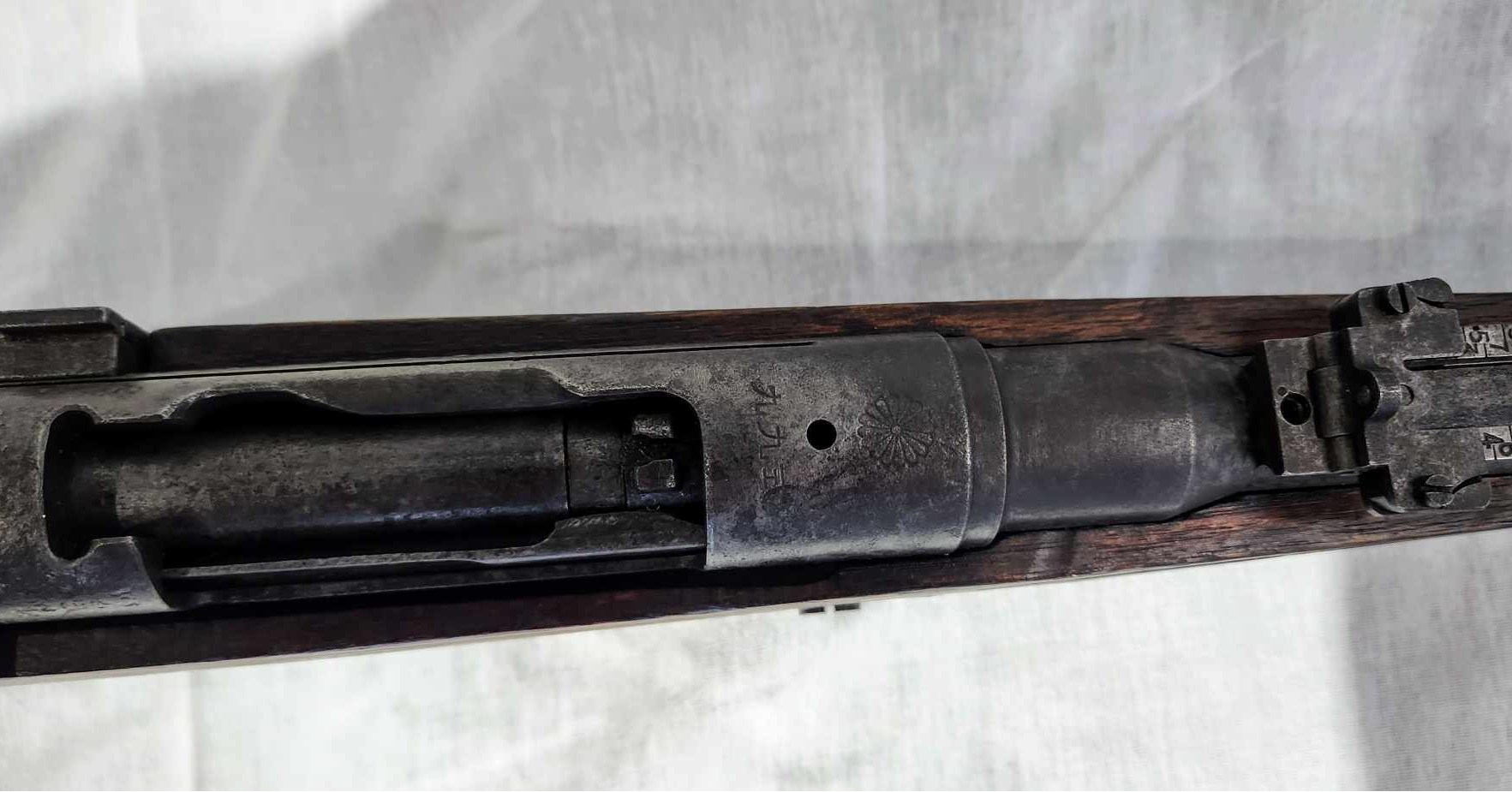
The first item is this Type 99 Arisaka Japanese rifle, taken straight from the beach at Iwo Jima, this still operational piece was the quintessential firearm of the Imperial Japanese Army in WWII. The chrysanthemum on the barrel not only signifies the royal family, but makes the piece very rare in collective value.
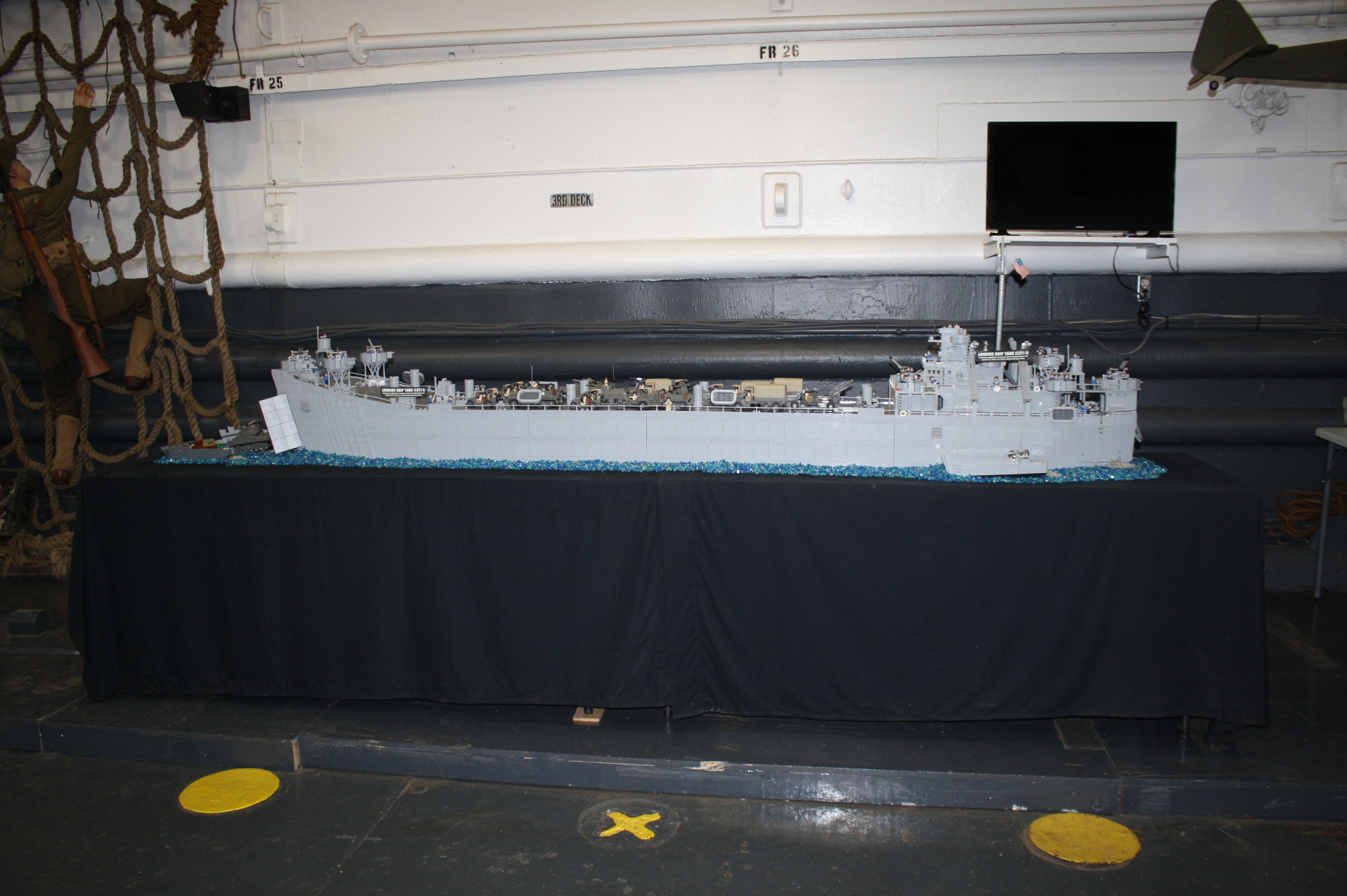
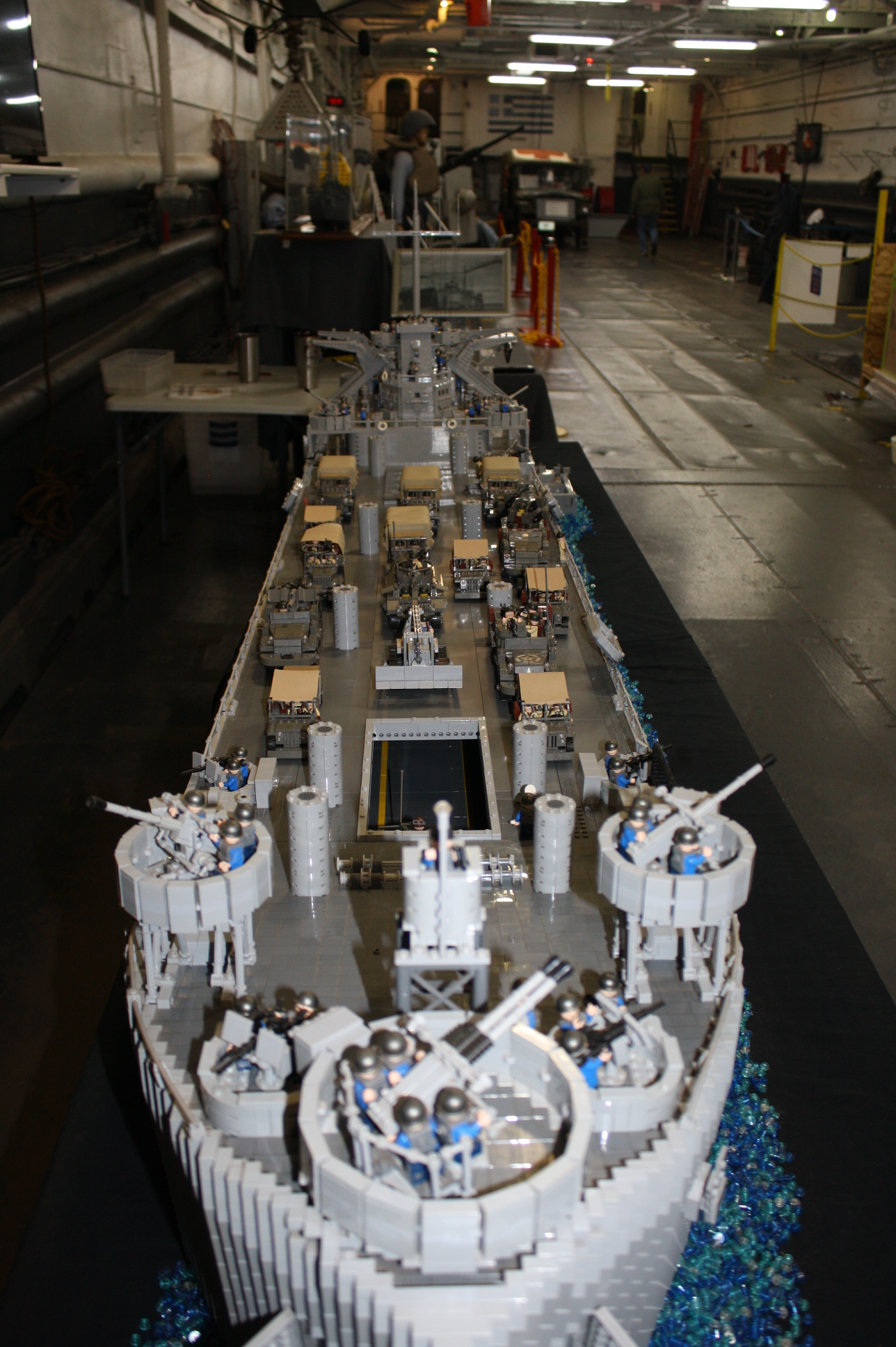
The second is this Lego Model of the USS LST 325 – Made by our friends at Brickmania, this over 10,000-piece model is the highlight of our guided tours, impressing both children and children at heart alike. The model includes many different features, from movable parts to minute details even the most avid ship/Navy lover could appreciate.
The Reitz Home Museum is a historic Victorian House Museum. Built in 1871 by John August and Gertrude Reitz for their family. The Reitz Home Museum shows off the 2nd French Empire home with family and time period pieces, highlighting the 1890s.
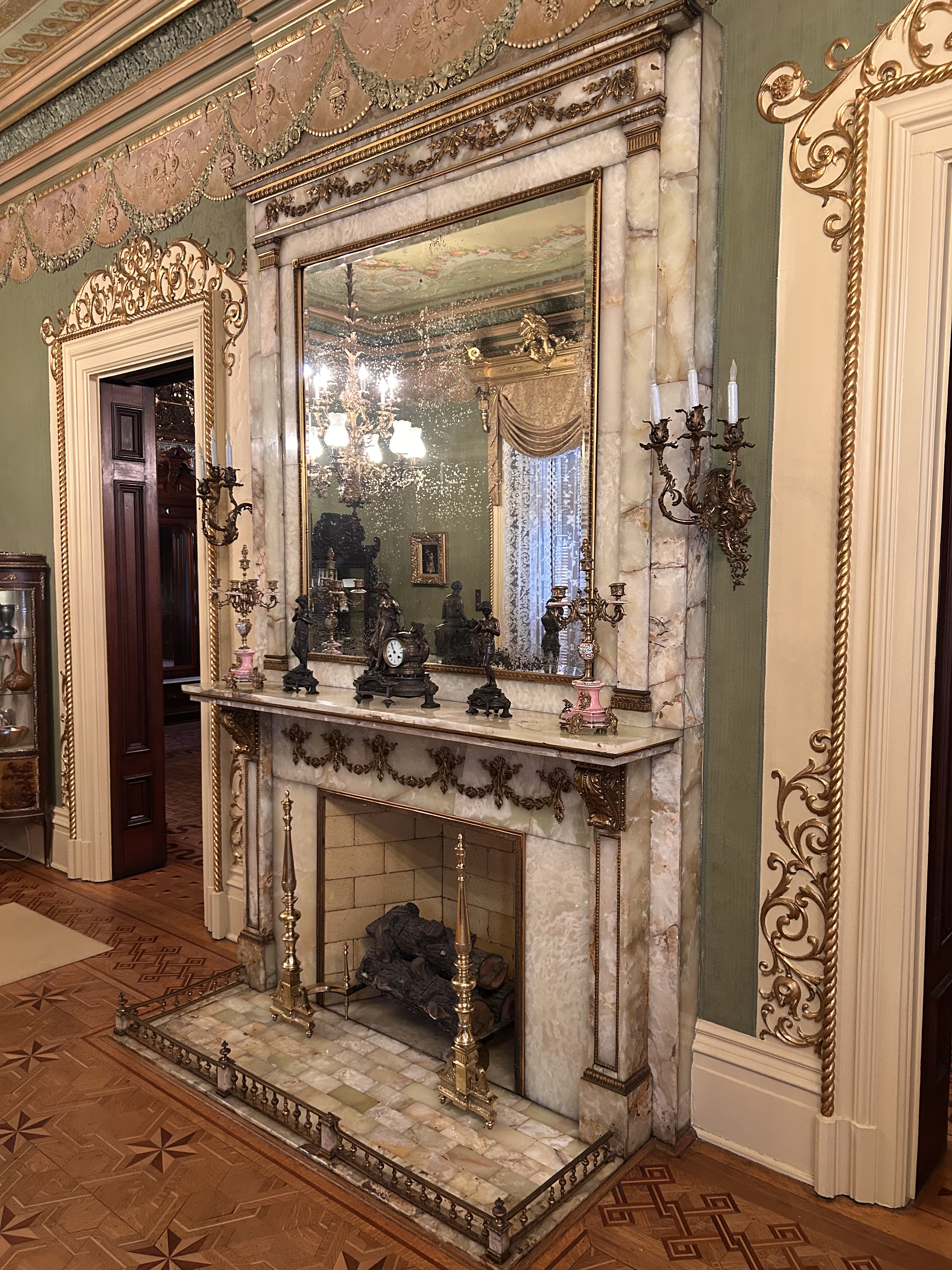
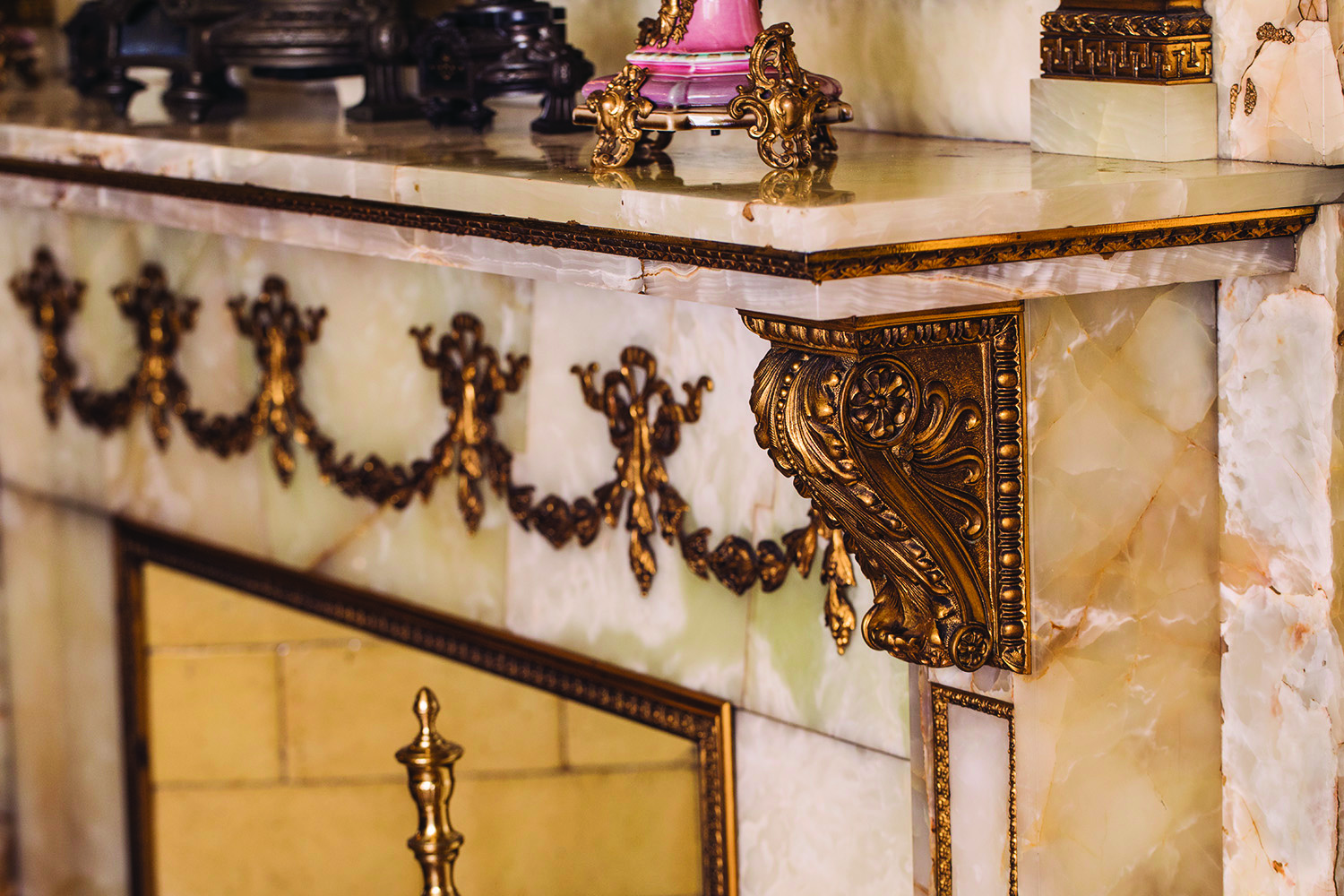
The first item is this Chicago World’s Fair Tiffany & Co. White Onyx Fireplace: Acquired at the World’s Columbian Exposition of 1893, this piece has been the highlight of the Drawing Room ever since.
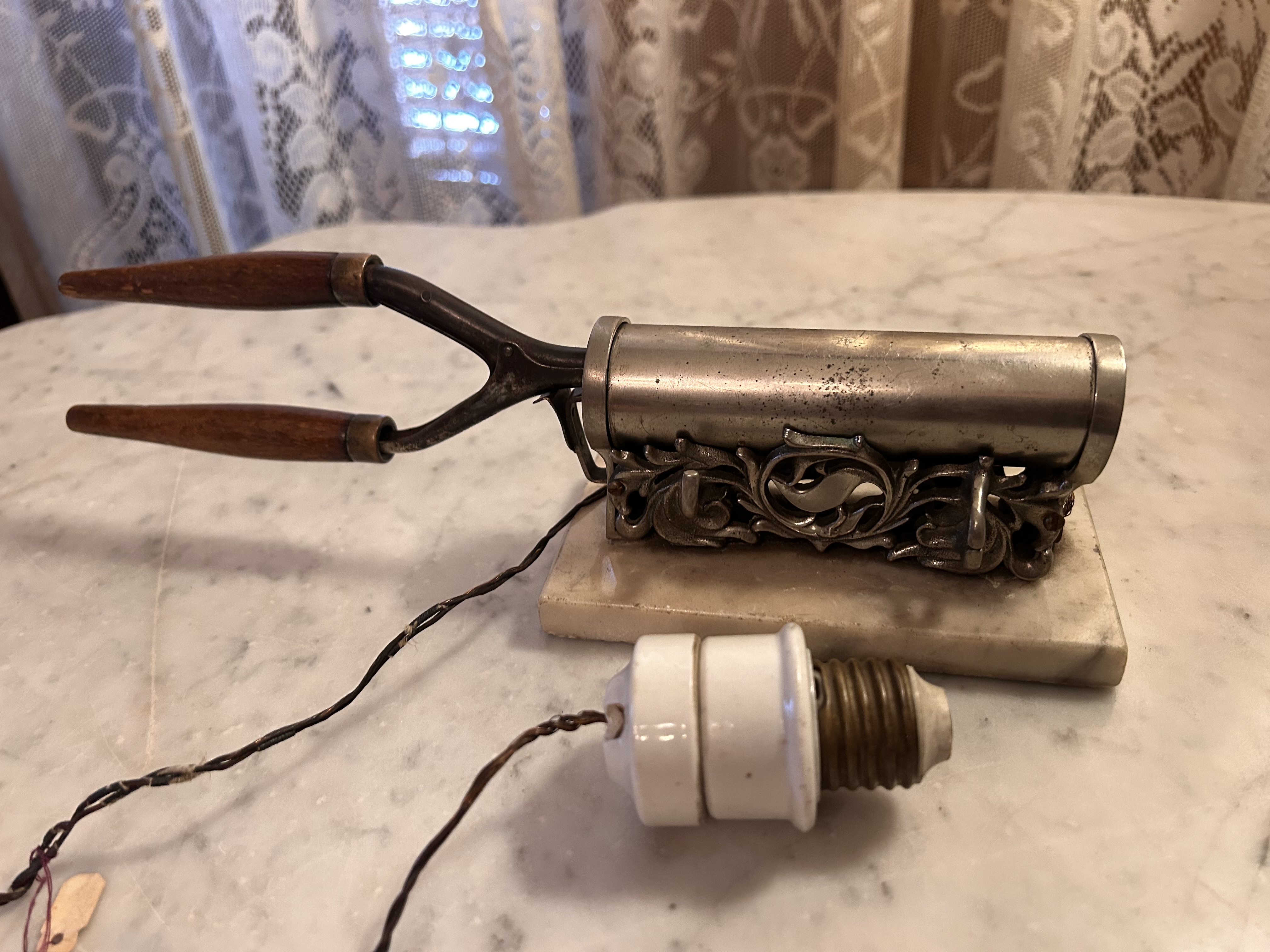
The second is this pre-1917 curling iron & heater: Created by the Simplex Electric HTG. Company, the curling iron heater would warm up by plugging the cord into a light bulb socket.

The mission of the University Art Collection is to provide educational and aesthetic experiences for the University community and all who visit campus in person or virtually, through the exhibition, research, and preservation of its diverse collection of original works of art.
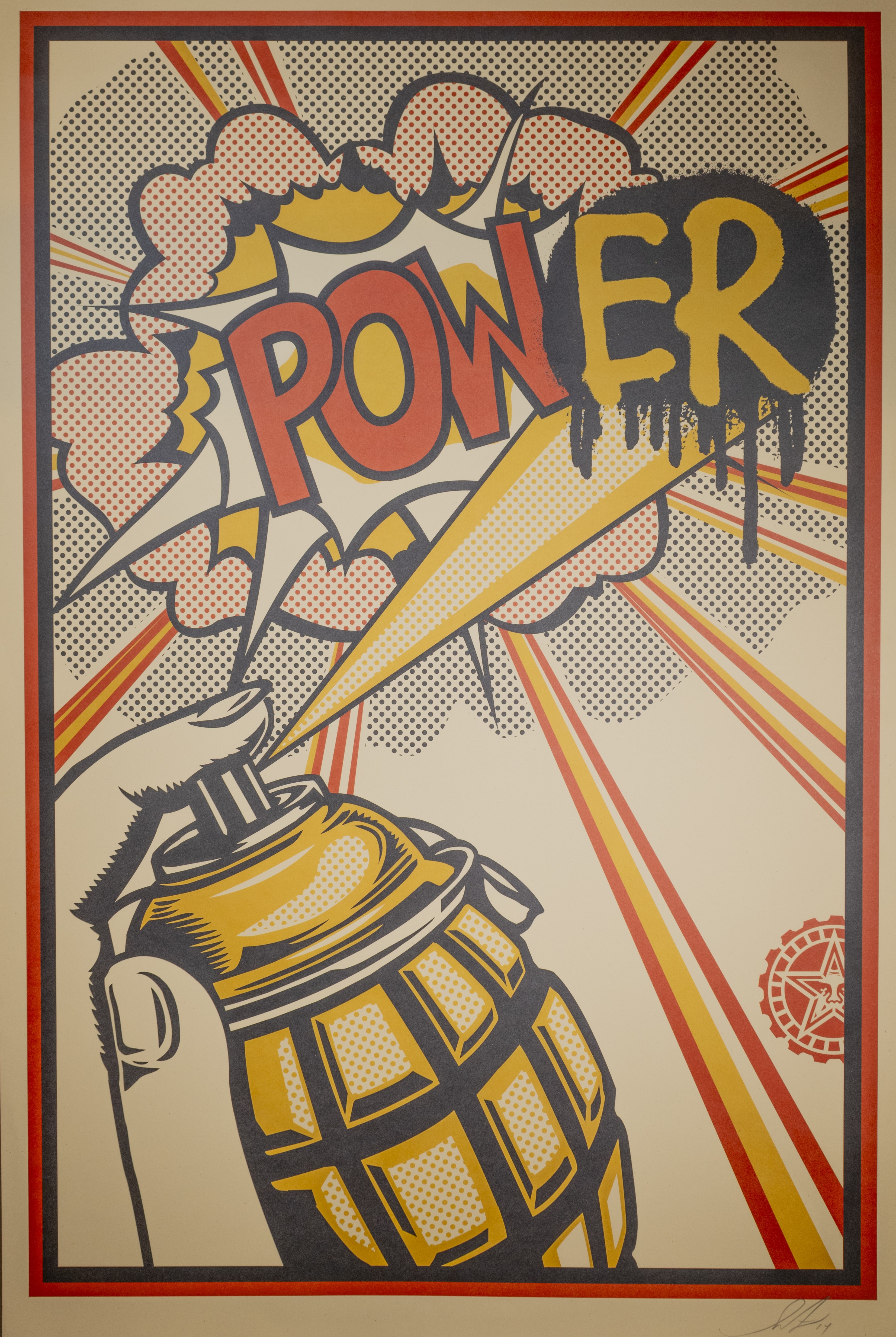
The first item is POWer, 2013, Offset lithograph, Shepard Fairey. A major figure of the contemporary street art movement, Shepard Fairey’s 2008 “Hope” campaign poster for President Barack Obama encapsulates a number of the artist’s recurring concerns, including propaganda, portraiture, and political power.
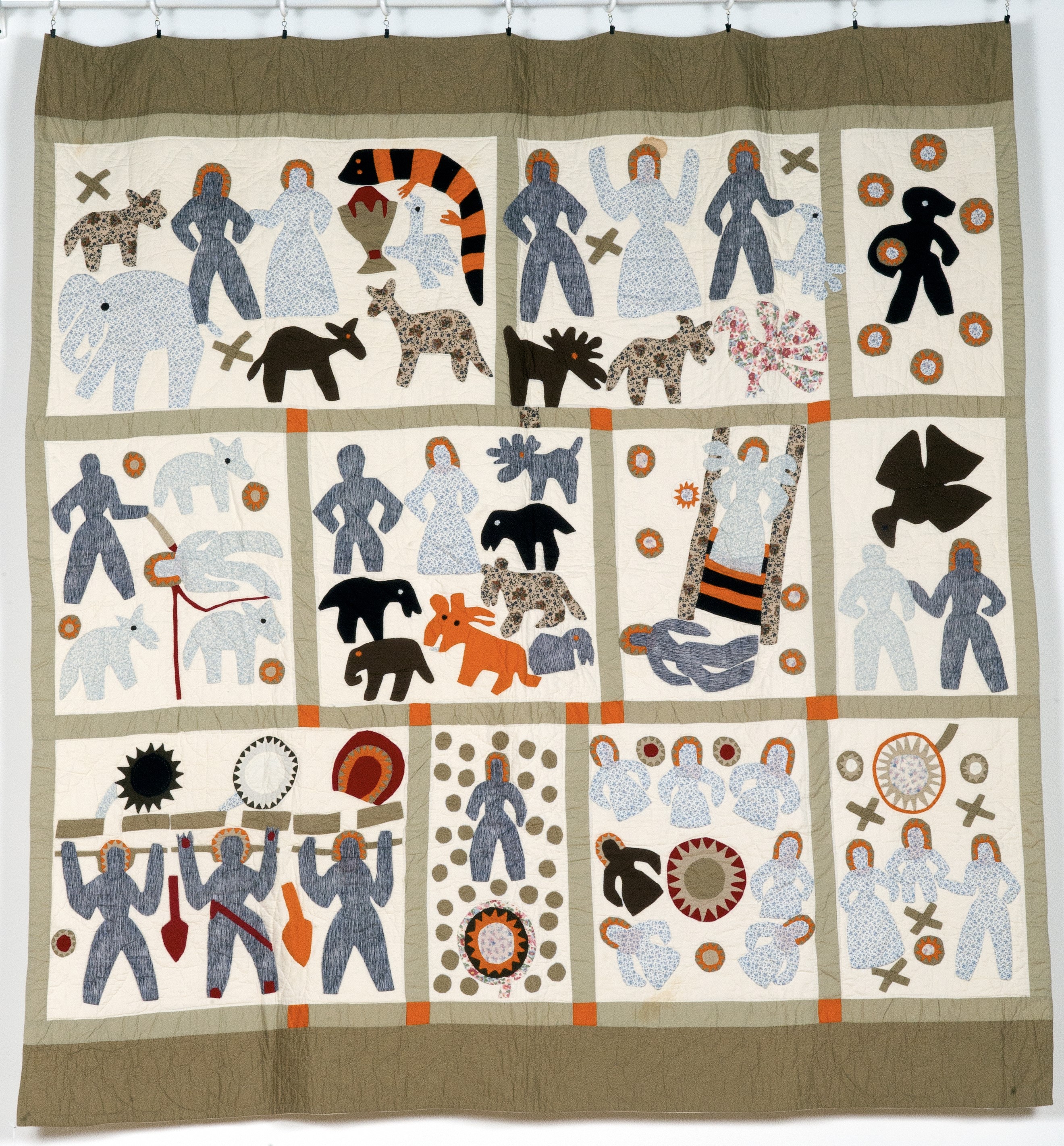
The second item is the Harriet Powers Bible Quilt, a1990s Smithsonian sponsored reproduction of a block style quilt. This iconic textile depicts eleven biblical scenes as originally designed by Harriet Powers, a woman born into slavery near Athens, Georgia in 1837. She is celebrated for her narrative quilts with design elements linked by historians to West African textile traditions. This quilt is on display on the 1st floor of the David L. Rice Library

Willard Public Library provides access to historical, recreational, educational, and cultural materials & services free of charge to all community members.
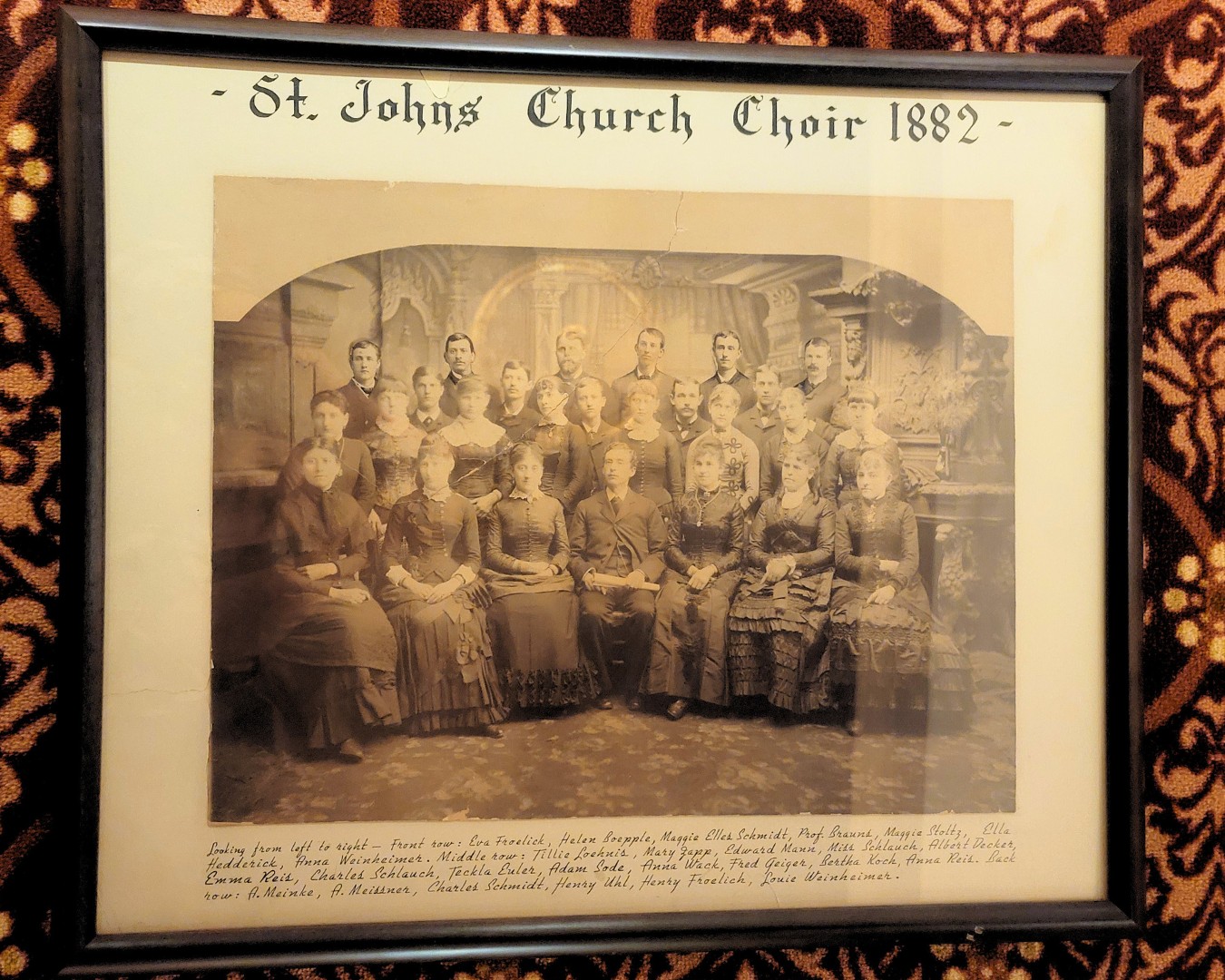
The first item is this 1882 portrait of the St. John’s German Evangelical Church Choir. St. John’s Parish on 321 NW 3rd Street, was founded in 1850 amid a wave of German immigration. Originally an Evangelical Protestant church, they became part of the United Church of Christ (UCC) after several denominational mergers throughout the 1900s.
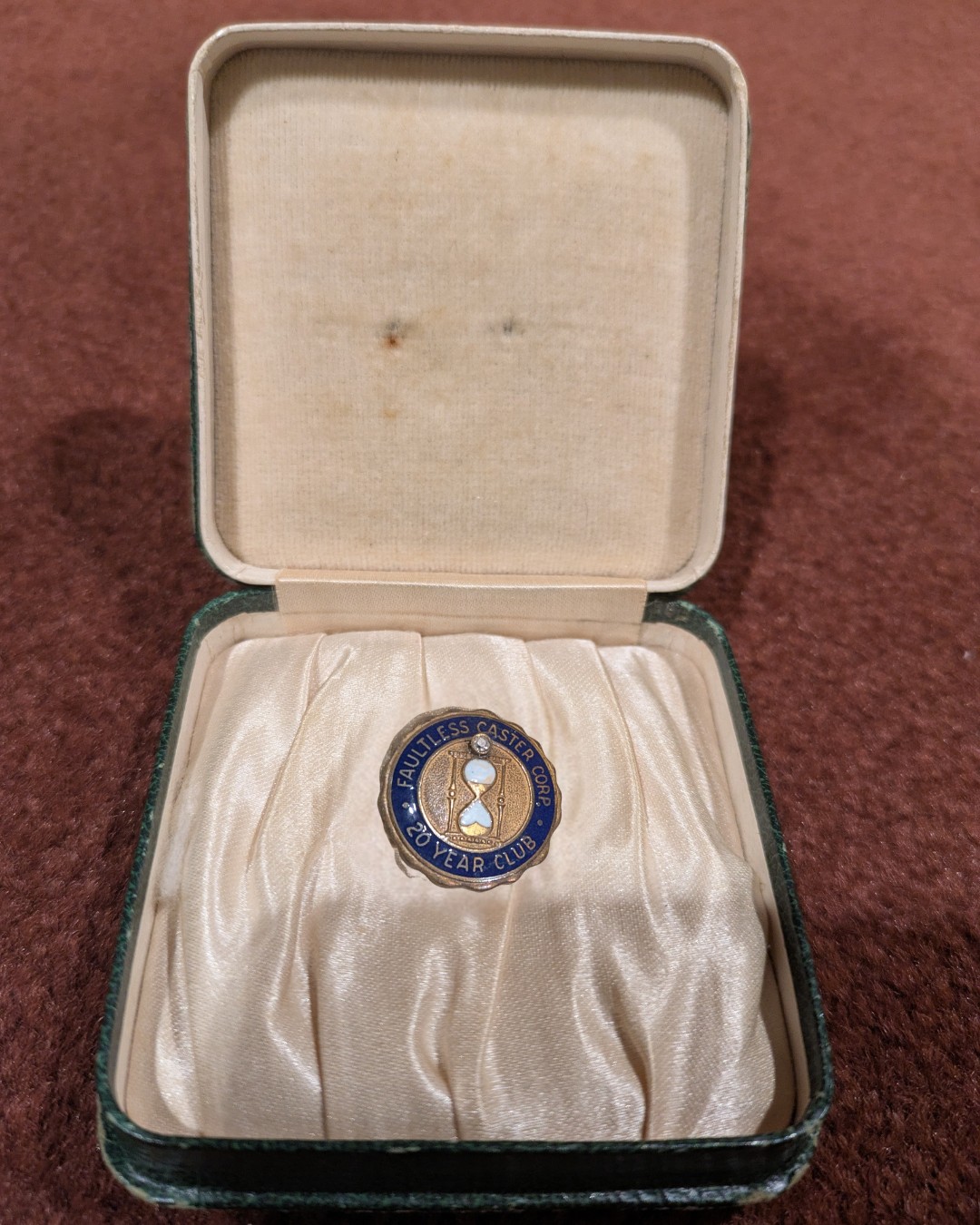
The second item is this Faultless Caster service pin. The Faultless Caster Company was a significant part of Evansville’s industrial landscape after relocating there in 1913, drawn by the city’s booming furniture-manufacturing industry. For much of the 20th century, its Garvin Street factory employed local workers and supplied casters nationwide, making it a quiet but important contributor to Evansville’s reputation as a Midwestern manufacturing hub.
Let the madness begin! Vote for your favorite, and keep on voting if it progresses to the next round….or vote for a new favorite! Stay tuned to this blog, which will be updated as the contest proceeds. You can also stop by UASC on the third floor of Rice Library. May your favorite artifact win it all!
Sweet 16 March 16-22
Elite 8 March 23-29
Final 4 March 30-April 5
Championship Round April 6-12
Announcement of winner April 13

 amUSIngArtifacts
Leave a comment