*Post written by Mona Meyer, Archives and Special Collections Metadata Librarian.
This collection contains letters, newspaper clippings, photographs, yearbooks, and other memorabilia from 1884-2019. A good portion of the collection deals specifically with the lives of the donors: Reitz High School class reunions, photographs, and publications. But there’s also a tantalizing hint of the past in the form of letters written 1918-1919 by a soldier serving with the American Expeditionary Force in WWI. These letters were written by George Vernon Welden (who was called Vernon) to his parents. As best as can be determined, Vernon (1895-1972) was the father of donor George, thus these letters came down from his grandparents: George W. Welden (1860-1932) and his wife, Mary Alice Layson Welden (1867-1933). In addition to providing a glimpse into the life of a soldier, they also hint at family dynamics and customs and mores of the time. Cautionary note: the collection contains almost exclusively letters from Vernon, not those from his parents, so all we have are his reactions to what they wrote. Furthermore, with no personal knowledge of this family, any inferences I find can be no more than speculation and thus will be kept minimal.
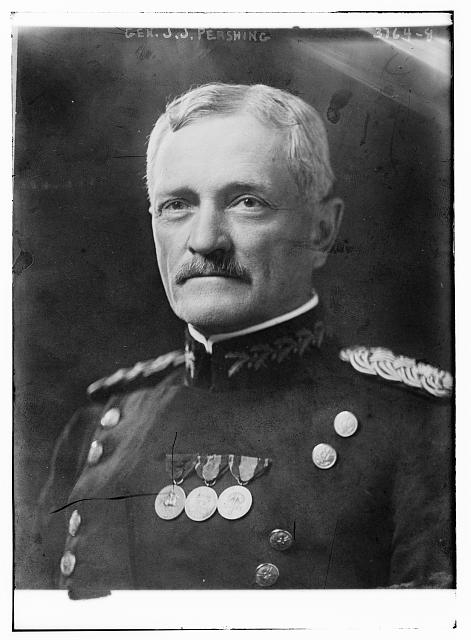
First, a bit of factual background. WWI marked the first time the U.S. sent military forces overseas to defend foreign soil. Just as they did later in WWII, Americans were slow to engage in action not on U.S. soil. The U.S. didn’t declare war on Germany until April 6, 1917, long after the assassination of Archduke Franz Ferdinand in 1914, the event that precipitated WWI. “On April 6, 1917, when the United States declared war against Germany, the nation had a standing army of 127,500 officers and soldiers. By the end of the war, four million men had served in the United States Army, with an additional 800,000 in other military service branches. Once war was declared, the army attempted to mobilize the troops very quickly. The fatigued British and French troops, who had been fighting since August 1914, sorely needed the relief offered by the American forces. In May 1917, General John Joseph “Black Jack” Pershing was designated the supreme commander of the American army in France, and the American Expeditionary Forces (AEF) were created. Pershing and his staff soon realized how ill-prepared the United States was to transport large numbers of soldiers and necessary equipment to the front, where supplies, rations, equipment, and trained soldiers were all in short supply. Since even the transport ships needed to bring American troops to Europe were scarce, the army pressed into service cruise ships, seized German ships, and borrowed Allied ships to transport American soldiers from New York, New Jersey, and Virginia. The mobilization effort taxed the limits of the American military and required new organizational strategies and command structures to transport great numbers of troops and supplies quickly and efficiently.”i
At first the AEF merely supported French and British forces, but as time wore on it took more and more of a lead role. In point of fact, by July 1918 the French forces were supporting the American. In the battles of St. Mihiel and Argonne, Pershing commanded the forces that “recovered more than two hundred square miles of French territory from the German army. By the time Germany signed the Armistice on November 11, 1918, the American Expeditionary Forces had evolved into a modern, combat-tested army recognized as one of the best in the world.”ii
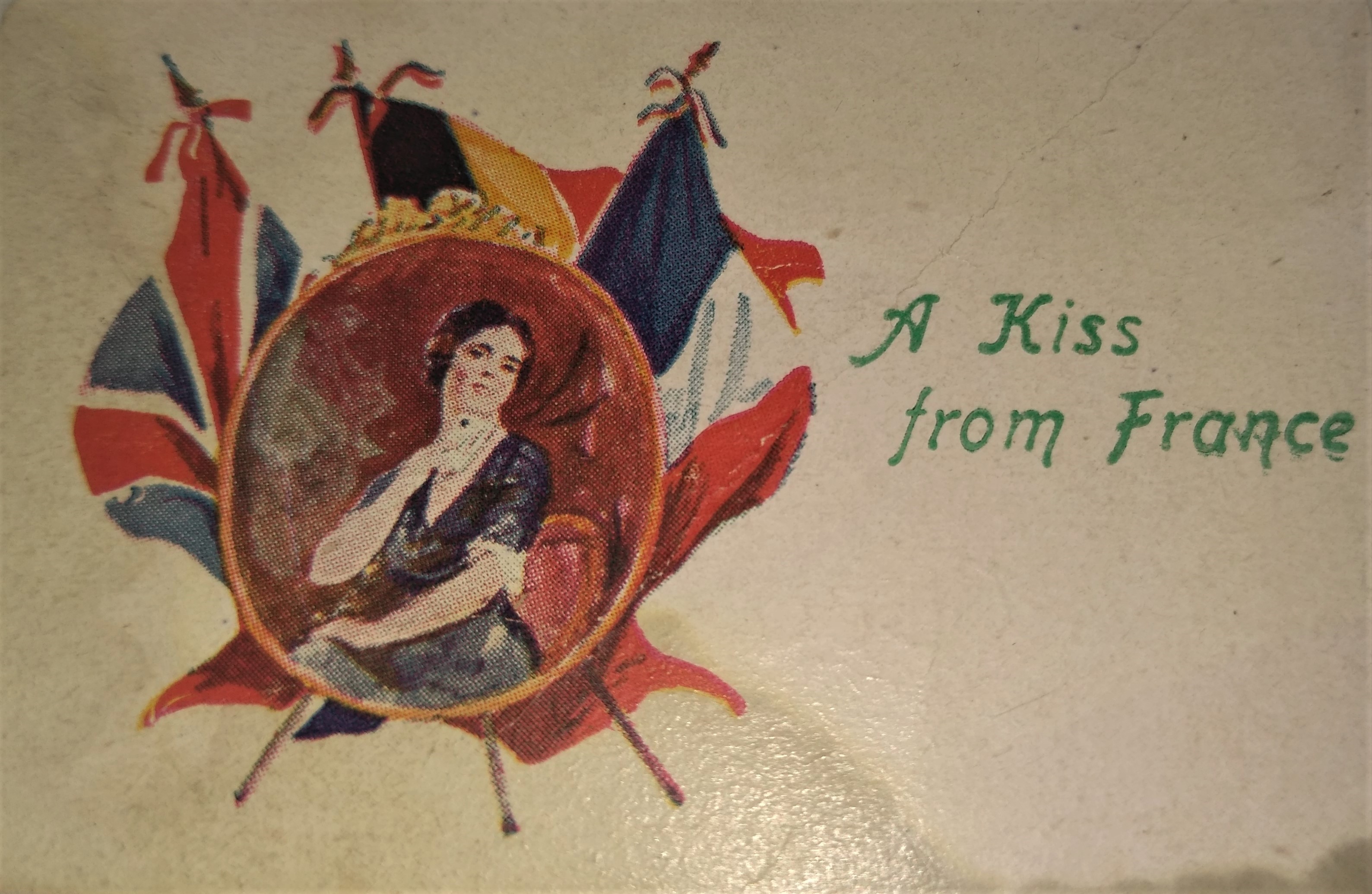
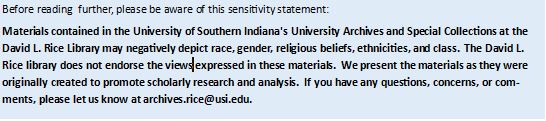
Our soldier Welden served with the Medical Detachment, 1st Corps Artillery Park, American Expeditionary Forces, and thus most likely did not see battle, although he was an observer of wartime conditions. His first letter, written on March 1, 1918 says “Camp Somewhere, GA.” He had just arrived at Camp Greenleaf at Ft. Oglethorpe, GA. He reports that there are a number of Evansville boys with him, and asks his mother to send handkerchiefs and towels as they are not allowed to leave camp for 10 days and thus cannot purchase them. He says, “I don’t like this life at all.” By July 2 he’s in France and has a different attitude. “The Lord knows I want to come home, but not until we have shown the world that America never fights in vain.” He notes that no matter what privations Americans at home face, it’s nothing compared to the hardships the French have endured. The British are glad to see the Americans because that means the war will be over soon. He thanks his mother for buying Liberty bonds, saying that this will help him get home faster. This letter includes the small 2.75″ by 1.75″ card below, stating on the back that “this came out of a dugout in a place where there had been some severe fighting.”
A letter sent July 31, 1918 was mailed from a different location in France, where apparently the suffering and damage the natives endured was far worse. “If you could see how everything has been done you would hate the Kaiser more than you do.” His rhetoric intensifies. “I am not like some who lay everything on the German ruling class. I am in this war against the whole German nation. I think the people are to blame as much as the Junkers. The action of the German soldiers when separated from their officers shows them up. They are more treacherous than a snake. I hate the whole German people.”
On August 8 he says that he’s on the lookout for souvenirs. “One of the cooks gave a German prisoner a sack of tobacco for an Iron Cross.” Later letters indicate that he came to rue this statement! On October 30 he writes, “I wrote to the people you refer to chiefly because you insisted upon it. Really I hope they do not answer because I am not over fond of writing under the present handicap. Everyone I write to wants a souvenir and I don’t think you ever fail to remind me of that German helmet. New souvenirs do not grow on trees, and, even if they did, they would be very scarce because there are very few of them. I can’t send you the medal I spoke of at present. I can’t send you a German helmet now for several reasons….” March 30, 1919: “No, I am not going to lug home souvenirs to other people.” By this time he has a collection of souvenirs but is reluctant to mail them home, fearing they will get lost. “Any person of intelligence will appreciate what I have. As for others, I don’t care.” Clearly, the souvenir issue was a sore spot. On May 4, 1919 he writes to his mother, “It is surprising how I have picked up correspondents since I have been in Germany, I is also surprising how they all have the same trend….souvenirs. I think it is a little too much for people to write to me now and ask for souvenirs. Do they really think I am going to cut my meager income in order to supply them with souvenirs. If so, they are badly mistaken.”
December 9, 1918: “I have been in Germany since Dec. 3.” They have moved through several towns: “I am getting tired of moving so much and will be glad when we reach our destination.” He notes that the Germans are not thrilled to see the Americans, and says that the Germans all deny having been in the war. “They are all ambulance drivers now if you believe them. None admit that they were machine gunners. None of them fought against the Americans, yet, if a member of the the family was killed in the war, the Americans did it.” There is near starvation in the cities, although the country people fared better. “The scenery is very pretty here, but it is very easy to see why so many left their “Vaterland” for America. Aside from war preparedness, Germany is very far behind America in 20th century improvements and conveniences.”
By January 26, 1919, Vernon was situated in Pfaffendorf, Germany, a suburb of Koblenz, located on the Rhine River. He seems to enjoy living there, billeting in a house. (All of the rest of his letters come from this location.) On February 16 he takes his father to task: “My dear Father, I have waited patiently for about a month to see if perhaps you would write another letter without being prompted. I understand that you have considerably more time nowadays than formerly, and you could utilize some of this extra time in no better way than by writing a litttle oftener to me.” Four days later he “fusses” at his mother, saying that he is not going to quit writing to her because she has quit writing to him, and that he has repeatedly explained that just because she doesn’t get a letter doesn’t mean he isn’t writing….he writes to her at least twice a week.
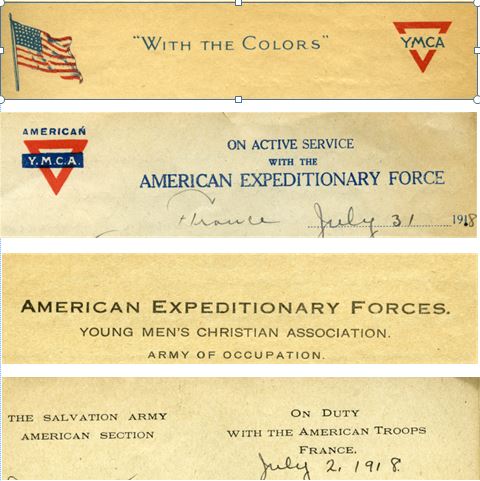
Apparently the stationary was supplied by different groups. Take a look at these four examples of letterhead from Vernon’s letters, here supplied by the YMCA and the Salvation Army. It’s clear that the writer took whatever stationary he could find.
But then a letter from Vernon appeared in his mother’s mailbox, written on the letterhead seen below. From the content below you can see that stationary provided by the Knights of Columbus was cause for comment, a fact he addresses by saying that he feels she ought to be glad for any letter, no matter the stationary.
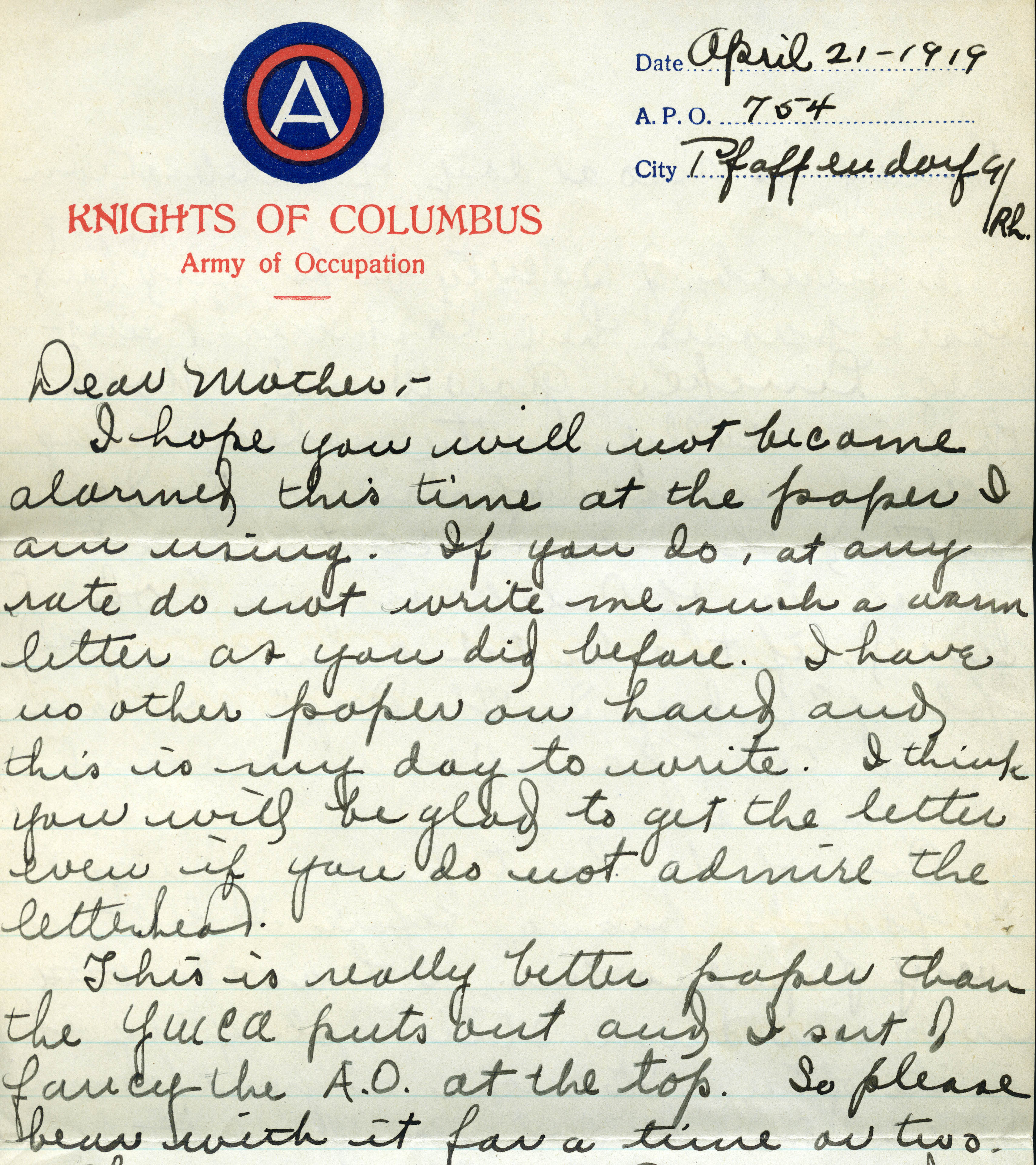
Why did she object? Without having her letter to him and being able to read its “warm” content, there is no way to be sure. What is known is that the Knights of Columbus was (and is) a fraternal organization of the Catholic church. “During World War I, the Order provided rest and recreational facilities and social services to Allied servicemen of all faiths. K of C Huts throughout the United States and Europe provided religious services, supplies and recreation under the motto, “Everybody Welcome, Everything Free.” … When the United States enters World War I, [the head of the Knights of Columbus] writes President Woodrow Wilson telling him that the Order plans to establish centers to provide for the troops’ “recreational and spiritual comfort.” The Knights’ services, he says, will be offered “regardless of creed.” By the summer of 1917, the Order opens service centers, or “K of C Huts,” in training camps and behind the lines of battle. The Knights and independent fund drives raise nearly $30 million to finance the huts.”iii As the Barry article listed below indicates, anti-Catholic bias has long been a part of American society. Evidence found in the contents of the MSS 311 collection, in terms of directories from Calvary Baptist Church from 1986-2001 strongly suggests that at least this generation of the family was Protestant. Was this the source of objection to this letterhead? Again, there is no way to know for sure and I am in no way casting aspersions on this family, suggesting only a possibility, but in no way stating a fact.
There is far more to this collection than can be written about here. Money was a source of contention between Vernon and his mother in at least three separate letters. Apparently she was ill advised by her local bank about how to get the money to him, and he encountered great difficulty in getting the check cashed. He repeatedly says that what she sent him is of no value at all to him due to inflation and the challenges in getting they money. Over the 40+ letters his emotions range from despair, homesickness, defiance, pride, bitterness, cynicism, growing independence, disgust with politics, and an overwhelming desire to be home. As a window on the world at that time and the viewpoint of a young man, they are certainly worth reading. Stop by UASC and arrange to take a look at MSS 311.
Resources Consulted:
Knights of Columbus webpage, Our History, 1910-1918 Everybody Welcome.
i American Expeditionary
ii American Expeditionary
iii Knights of Columbus


 amUSIngArtifacts

Leave a comment